
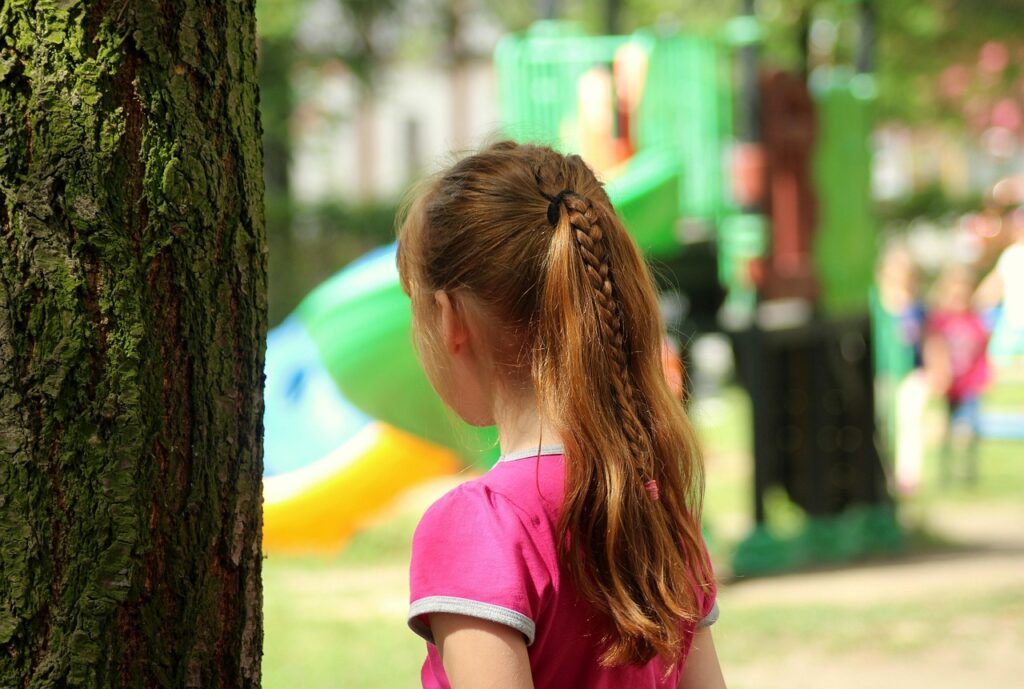
- New Childline data reveals that the service delivered more than 4,500 counselling sessions to young people across the UK experiencing loneliness in 2024/25.
- During last July and August, numbers of counselling sessions on the topic were above monthly average.
- Childline reminds young people that they are always available if they need a safe and confidential place to turn to this summer.
Childline is anticipating an increase in contacts from children experiencing loneliness during the summer months.
The NSPCC service, which has bases in Belfast and Foyle, delivered over 4,500 counselling sessions to young people across the UK on the topic from April 2024 to March 2025 – an average of 380 sessions per month.
But in July and August, there was a monthly increase in support provided by Childline about loneliness, with a total of 852 counselling sessions delivered to children and young people across the two months.
The main themes identified from these summer counselling sessions included:
- Worrying about a lack of contact with friends over the summer,
- Feeling excluded from summer social activities,
- Concerns about moving to a new school or year group in September.
One boy, aged 13* told Childline: “It’s the summer holidays where I live. I don’t have many people to talk to and one of my friends blocked me online for no reason. It kinda feels like no one likes me.”
As always, Childline is in place to provide free and confidential advice 24/7, both over the phone and online, to children struggling with loneliness and any other issues and concerns.
In addition, the NSPCC is supporting young people who may be dealing with loneliness through a free online text befriending service called Building Connections.
This service, available to anyone from the age of 9 to19, matches young people with a trained befriender for 11 sessions, who will help them to build their confidence and to manage feelings of loneliness and isolation.
Shaun Friel, Childline Director, said: “The summer months should be a time of freedom and joy for children. Sadly, we are seeing at Childline that it can also be a difficult period for some young people, with loneliness setting in after being cut off from school friends and normal routines.
“Loneliness is a challenging thing to contend with and left unaddressed can start to have a wider impact on mental health and wellbeing. It is very important that children or young people who find themselves in this situation during the school holidays, or any other time of year, understand that support is out there for them.
“As well as speaking with one of our trained Childline counsellors, they can also access our Building Connections service, which helps children to find a path to feeling less lonely. Whatever their worry, Childline continues to be here for young people.”
Childline has also released a series of tips for both adults and children to help cope with loneliness.
For adults to help children and young people who might be experiencing loneliness:
- Communicate openly: Encourage children to talk about their feelings and listen without judgement.
- Understand the cause: Gently explore why they might be feeling this way and validate their emotions.
- Encourage socialising: Help children find opportunities to connect with peers through hobbies, clubs, or activities.
- Build confidence: Celebrate their strengths and achievements and remind them of the positive relationships in their lives.
- Create a supportive environment: Loneliness isn’t something that can be resolved with one conversation. It is important to create an environment of openness where a child can talk to you about their feelings and any struggles they may be facing.
- Consider Building Connections: Consider referring them to the NSPCC’s online text befriending service Building Connections to support them to navigate these feelings and build on their confidence.
Advice for children who are struggling with their mental health and/or loneliness includes:
- Do things that feel positive: Try your best to take part in activities you enjoy, whether that’s playing a sport, listening to music, reading a book, or drawing. Small positive actions really can have a big impact on your mood.
- Take care of yourself: When you are struggling with difficult feelings, it is important to continue to prioritise your basic needs, such as eating well, staying hydrated, and getting enough sleep. Taking care of your body can have a positive impact on your mental health.
- Try to find ways to socialise: Whether it’s joining a club, connecting with peers at school, or reaching out to a trusted friend, prioritising socialising can help to reduce feelings of loneliness
- Remember it is always okay to ask for help: Speak to a trusted adult, a teacher, a friend, or contact Childline. No matter what you’re feeling, you don’t have to go through it alone.
- Consider signing up to Building Connections: If you’re 19 or under and struggling with feelings of loneliness, consider signing up to the NSPCC’s online text befriending service Building Connections.
To refer a child to the Building Connections service, visit the NSPCC website.
Childline is available for young people via the phone on 0800 1111 and online through the 121 chat on the Childline website.