

Last month NI Mental Health Arts & Film Festival screened “Broken”, a powerful short film by 45-year-old Dutch film maker Gwendolyn Nieuwenhuize.
Gwendolyn, or Gwen.N as she is known, presented the hard-hitting film in a bid to spark important conversations about addiction and mental illness, as well as appeal to investors to support the arts as a way of processing mental trauma.
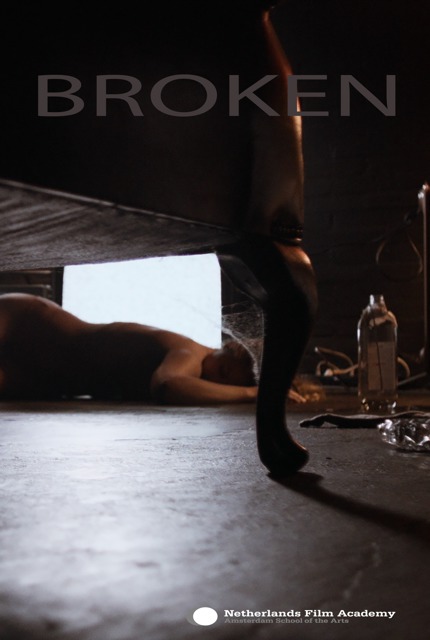
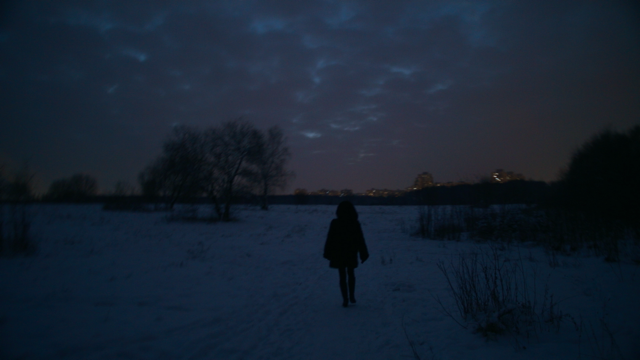
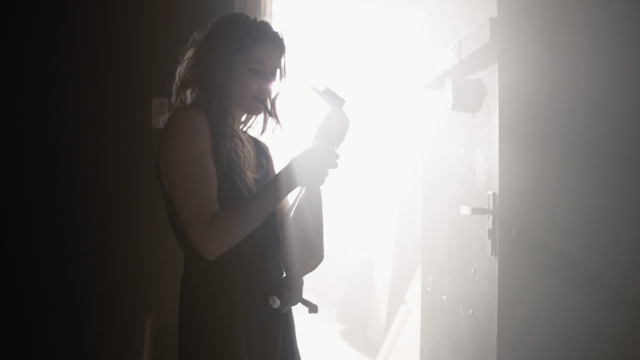
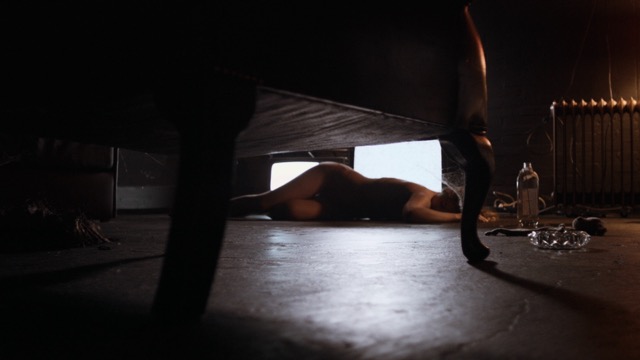
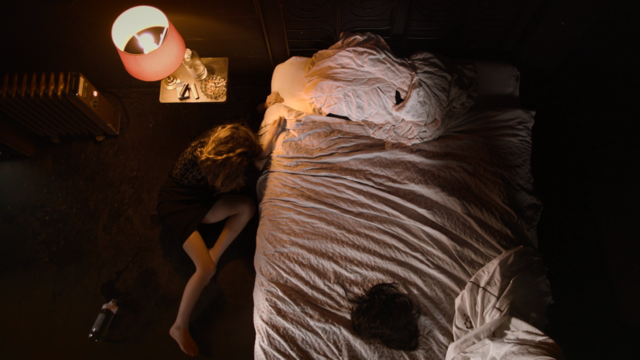
Describing “Broken” to BAM, Gwen said: “A woman is up in her apartment (or is it her head?), framed by her alter ego running through the woods. Enter her world: Is it real or a dream? Now or in the past? Memory or projection?
“The film explores themes of alienation. It was made to transform and stylise memories, translating autobiography into fiction.”
Research for “Broken” began in 2013, with several versions all contributing to the final product. Gwen explained that the entire process was a means of “placing subjective experience into a fictional context as a tool for emancipation.”
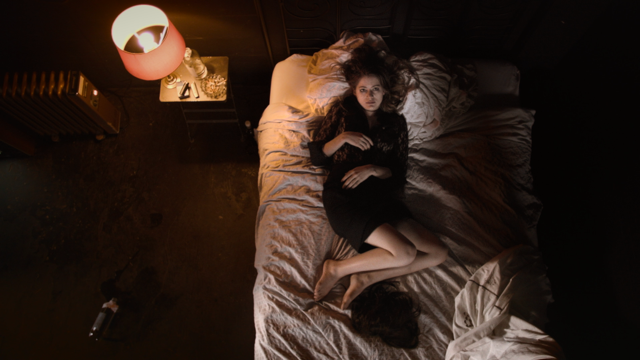
She said: “I create out of necessity to transform memories. It had to be done. Broken is the memories and history of my life mixed with that of a close family member.”
So far “Broken” has been screened at EYE Film Institute Netherlands in Amsterdam and at the NI Mental Health Arts & Film Festival 2017, with plans underway for distribution to film festivals across the world.
Speaking about the film’s impact on viewers, Gwen said: “People have been touched, shocked, angry, grateful, crying. Overall mothers of addicts have been very grateful for the visceral impact the film had on them.
“They finally felt what it was like for their child to be so imprisoned by the disease of addiction and so powerless to do anything about it.”
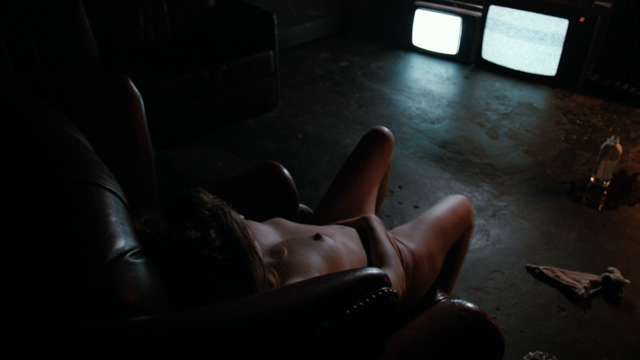
Viewers have also reacted in admiration for Gwen who has had the courage to bring her story to the screen, and she has been praised for the film’s beautiful cinematography and choreography.
“The sound in one of the scenes refers to a rape scene. People have experienced this as if I had put it on the screen, but in fact by only providing the sound, they made their own visuals.
“In many senses it has been a comforting film for people who have experienced trauma themselves. I think it gave people hope and strength to continue to recover from addiction or mental illness.” Gwen said.
By putting the darkest parts of addiction and mental illness on screen, Gwen has sparked important conversations about these illnesses.
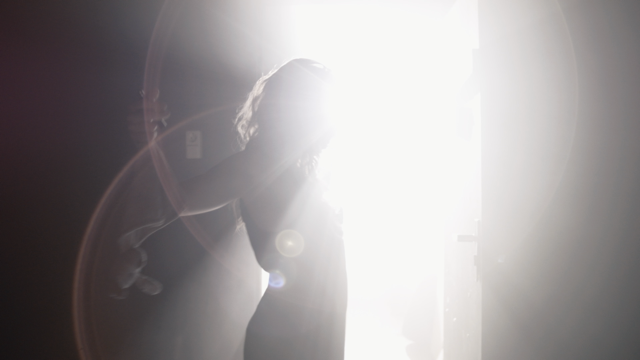
She said: “So many addicts live with secrets. I have put them on a cinema screen to get bring them out of hiding- to start the conversation, to end the circle of loneliness and abuse.
“I believe it contributes to the overall health of society to address problems like this. So many generations have suffered from alcoholism and addiction, and it continues to be a big problem. Why? Because it is unwanted behaviour that society is ashamed of.
“Why not try to find a cure as with many other diseases? There is no progression in the recovery from this illness, because society does not want it to exist.”
Commenting on the way society handles addiction, Gwen explained how addicts are labelled as “losers”: “Addiction is a disease like any other. Like cancer deforms body cells, brain cells work differently in an addict.
“So rather than avoiding the issue or locking people up, society should invest in solutions for this disease. I believe with my research, I have found the solution. It works for me!”
She has an important message for the people in charge of delivering treatment for addiction: “Nothing works more strongly than a visceral visual message that shows how it was and the way out of misery.
“Only by making my message in the form of a film is it likely that people will be willing to look, listen and open their eyes, hearts and wallets to the reality. I am appealing to investors, health insurance companies and governments to support my research and let me help people recover through film-making.”
“I know I can heal from PTSD with film-making now. I got off anti-depressants and tranquillizers, thanked my psychiatrist and psychologists for their efforts, and gained insights that no shrink could ever provide.
“The process of writing and making my film freed me from trauma, of repeating the memories in my head.”
Inviting sufferers to reach out to her to heal, Gwen said: “Call me, I will write and distil the essence of your trauma. With you I can create an autobiographical film as a process of recovery. Unfortunately though, people need to bare in mind that film-making is not cheap.
She also urged people to take back control of their suffering and shared advice for those isolating themselves as a result of addiction and mental illness.
“If you are reading this locked up in your apartment, feeling lonely and not understood, with a sense that the whole world is against you and there is no reason you should participate…Get out!
“Start communicating. If that is too much, take a dog, start walking it 4 times a day to the park, greet people, talk about the orchids or park trees, roses, the weather – talk about stuff that is far from your problems, keep it light and simple.
“Once you are out there in some sort of flow, find a person that you can trust – go to self help groups like AA ,NA, Alanon, Church groups, spiritual groups. Start meditation or yoga, read recovery based literature and daily reflections. Try Doreen Virtue books and meditations which are free on YouTube.
“Get out of your head and into the body, into the action. You do need help, but it starts by making it your responsibility.” Gwen said.
Most importantly, Gwen’s work emphasises the reality that it is our own minds that keep us trapped. Empowering sufferers to free themselves, particularly through the arts, is proving to be a highly effective method of recovery.
Gwen said: “Blame does not help you recover. You are the gatekeeper of your prison.”
To see more of Gwen’s work or to support her research, check out gwen-n.com.