

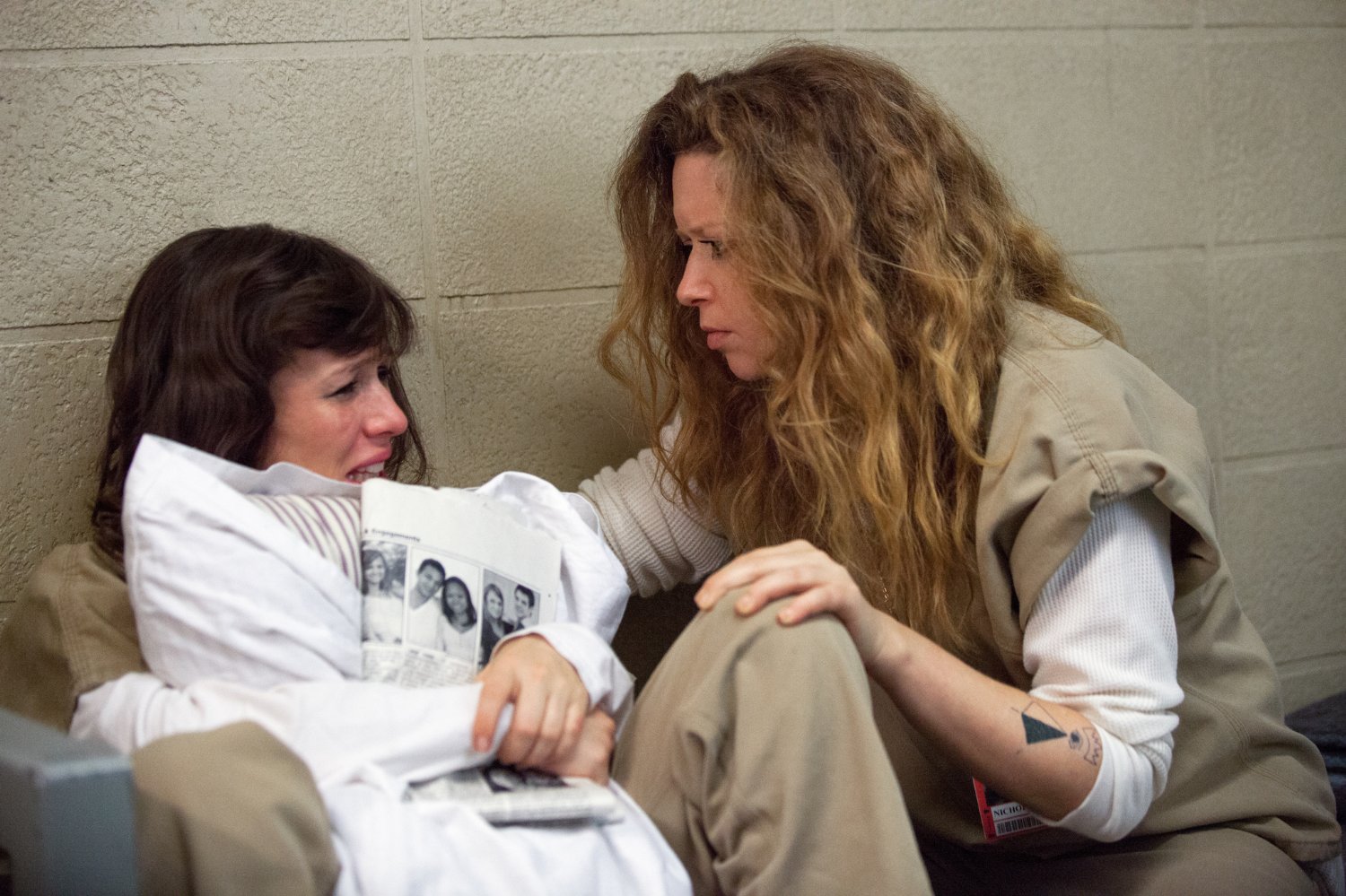
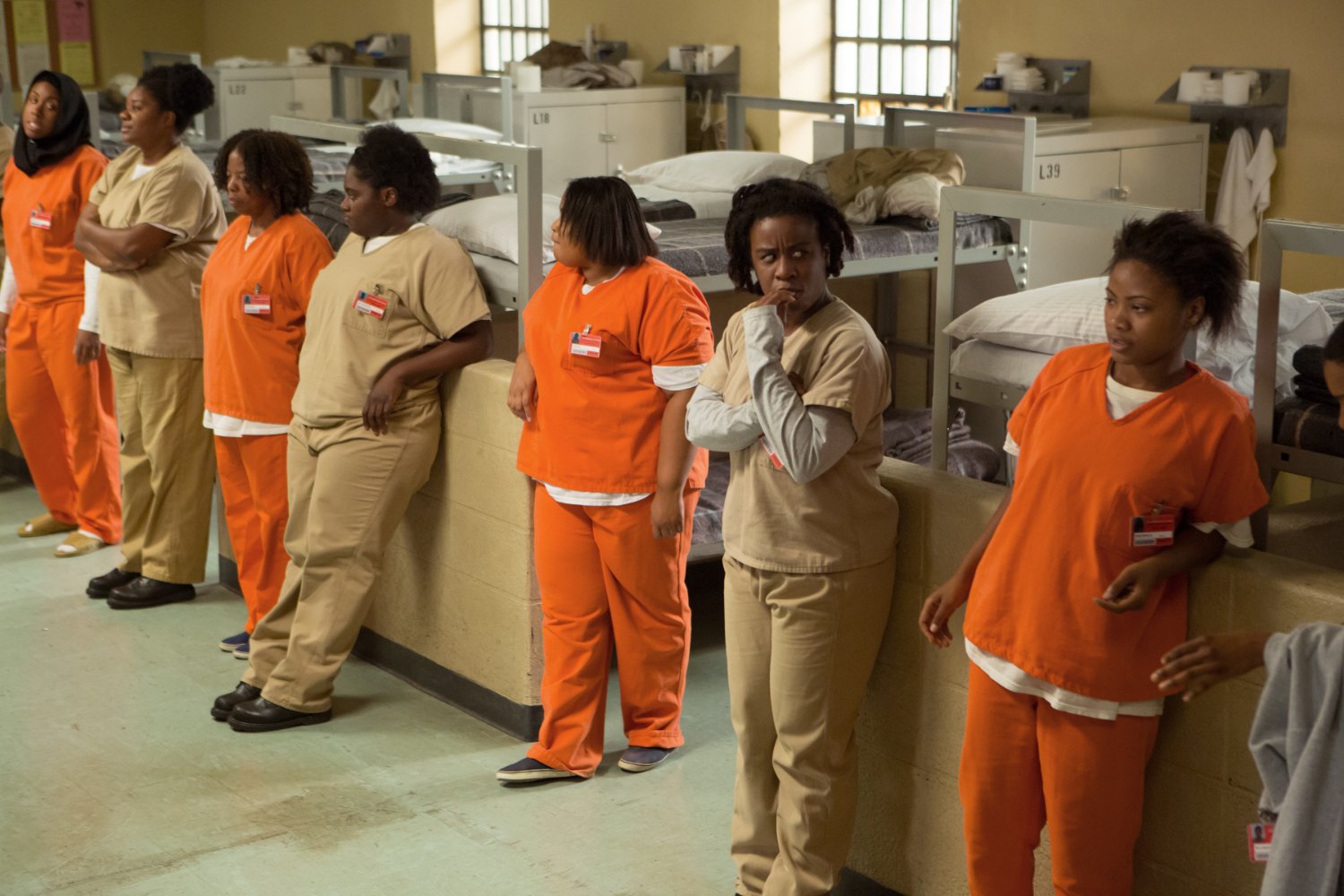
In June this year the fifth season of the hugely popular Netflix show Orange Is The New Black aired, and I couldn’t help but think about the current state of our justice system. After a little research, it wasn’t difficult to conclude one simple thing: it is failing.
While the show, created by Jenji Kohan and loosely based Piper Kerman’s memoir, is set in the US, the fundamental failings of the prison system are just as critical here in the UK.
Increasing public awareness due to shows like OITNB has brought the system under scrutiny. Mass incarceration, overpopulation, inadequate conditions and the mistreatment of inmates are all facets of a judicial system that promotes the cycle of crime, rather than rehabilitation.

Of course, the series almost certainly dramatizes its representation of life in a women’s prison, but the issues faced by the inmates of Litchfield are largely drawn from first-hand experience and are, for many women, a realistic reflection of life behind bars.
Racking up four Emmys, four SAG Awards and a Peabody, the show has broken boundaries and shone a light into a corner of society we usually try to forget.
Our attitude to crime and punishment is at the root of this crumbling system: label the criminals as the ‘bad guys’, lock them away out of sight and mind, neglect their needs and hope they fade away on the fringes of society.

In 2015, the chief inspector of prisons said UK jails were in their worst state for a decade. David Cameron also commented in one of his last domestic policy speeches as prime minister that “current levels of prison violence, drug-taking and self-harm should shame us all”.
Disturbing data uncovered in the last year reveals nothing less than a state of crisis in UK prisons.
Lack of mental health care, poor living conditions, overpopulation and abuse are just some of the issues that Peter Dawson, Director of the Prison Reform Trust, said “highlight the urgent need for the next government to address the rapid decline in safety and standards in our prisons.”
One of the key causes of these issues is mass incarceration, with prison populations rising from 40,000 to 85,000 between 1980 and 2015. With private prisons lowering their standards to accommodate the rise in populations, inmates are receiving inadequate care and are being put at increased risk of harm both physically and mentally.

According to the 2017 National Audit Office report on mental health in prisons, 30% of women have had a previous psychiatric admission before they entered prison.
Shockingly, a more recent study found that 25% of women reported symptoms indicative of psychosis, compared to the rate among the general public of about 4%.
46% of women prisoners reported having attempted suicide at some point in their lives, which is more than twice the rate of male prisoners (21%) and much higher than in the general UK population, with around 6% reporting having ever attempted suicide.
Up to 30% of offenders have learning disabilities or difficulties that interfere with their ability to cope with the criminal justice system. The rate of self-inflicted deaths has more than doubled since 2013 and self-harm reached a record high of 40,161 incidents last year. See more information and findings at Prison Reform Trust.
Peter Dawson, Director of the Prison Reform Trust said: “This report makes horribly clear that our prisons are holding very many people who will suffer disproportionate and unnecessary harm because of the prison environment.”
The European Committee for the Prevention of Torture (CPT) recently issued a serious warning to the UK government over the current conditions within prisons in England.
The committee reported a level of violence that is “spiralling out of control” with incidents being under reported and conditions found to be “unsafe for both staff and prisoners”.
Their report also found many adults spending up to 22 hours a day locked up in their cells. At one young offenders institution, some children could spend up to 23 and a half hours a day locked up alone, treatment that was called “inhuman and degrading” by the committee.

Peter Dawson, Director of the Prison Reform Trust, said: “We are falling short of the most basic international expectations.”
Over 9,000 women were jailed in 2014, most of them for non-violent offences, leaving an estimated 17,240 dependent children behind. Of these, only 5% are able to stay in the family home, with the profound impact on children increasing their risk of mental illness and anti-social behaviour. (www.telegraph.co.uk/business/2017/02/18/end-private-prisons)
As always, many of these issues boil down to profit. The 14 privately managed prisons in England and Wales are shared between three companies – G4S, Sodexo, and Serco.
Private institutions make up around 15% of the country’s prisons, with the rest managed by the National Offender Management Service (NOMS), and they operate in a typical business framework.
With private prison contracts set up to deliver profit margins of around 8 – 10%, directors are focused on making savings wherever they can – usually at the expense of human dignity and basic care. Read more here.
Some may argue that prisoners are the least worthy of resources, but this archaic system affects our society as a whole. Locking people away is not reducing criminal activity – 2013 reports show that UK offenders discharged from immediate custodial sentences of less than 12 months re-offended at a higher rate than matched offenders receiving a community order (62.5% compared to 56.2%).
The UK reoffending rate for adult offenders released from custody in 2014 was 45.5%. Read more here.
A new briefing published by the Prison Reform Trust this year revealed that fewer than one in 10 women released from a prison sentence of under 12 months managed to secure a ‘positive employment outcome’ within a year of release. 6 in 10 women do not have homes to go to when they leave prison.
Employment and stable housing is a vital part of rehabilitation, and so it may not be surprising that nearly half of women leaving prison in the UK, and 23% in Northern Ireland
, are re-convicted within one year of release.

How can this broken system be fixed? Is it really possible to reduce crime by focusing on rehabilitation rather than punishment? Well, yes, it is – just ask Norway.
Norway’s incarceration rate is just 75 per 100,000 people, compared to 707 people for every 100,000 people in the US. It has one of the lowest recidivism rates in the world at 20% and a low level of crime compared to the US and many other countries, according to the Bureau of Diplomatic Security.
With its focus on “restorative justice,” Norway’s judicial system aims to rehabilitate prisoners and repair the harm caused by crime rather than simply punish.
At Halden Prison, for example, there are no bars on the windows, fully equipped kitchens and positive relationships between guards and inmates. Inmates are prepared for a productive life on the outside with vocational programs, workshops and even a recording studio.

And it’s clearly working – people who commit crimes are doing their time and staying out of prison.
When people lose their freedom, their humanity and their ability to be seen as a ‘good’ member of society, they have little left to lose.
Condemning and labelling a person as a criminal is both dangerous and a waste of precious human life. When we treat human beings like animals, they behave like them – it is basic psychology that is so often overlooked.
In 2002 a revolutionary program was introduced at Donaldson Correctional Facility near Bessemer, Alabama. Filmed as a documentary that was released in 2007, The Dhamma Brothers followed a ten-day intensive prison meditation program that is transforming the lives of inmates to this day.
The retreat program was Vipassana meditation as taught by S.N Goenka, which convicted murderer Grady Bankhead described as, “tougher than his eight years on Death Row.”

Since being shut down shortly after the second meditation retreat due to complaints from the chaplain of the prison, the program was reinstated in 2005 and continues to thrive. Impressed by the huge benefits to both the inmates and the staff, Warden Hetzel requested that the Vipassana program be made available to the entire prison population.
Academic research findings have supported behavioural observations that show the positive influence of the Vipassana program.
Before and after tests along with 1 year follow ups have found increased mindfulness and emotional intelligence among Vipassana participants, improved physiological & psychological well-being, decreased anger and distress, and a 20% reduction in institutional infractions & segregation time. Read more at www.dhammabrothers.com.
The reality is, prisoners deserve our time, money and resources just as much as the free members of society. Violence, hatred and greed are not solved by control, segregation and more violence. They are transformed by understanding, compassion and positive effort.

As Orange Is The New Black and other shows like it reveal that good and evil are not black and white issues, we need to take a serious look at how our warped perception of justice is damaging us on a social, economic and moral level.
Russian novelist and philosopher Fyodor Dostoyevsky said: “The degree of civilization in a society can be judged by entering its prisons.” If our compassion does not extend to those who are in this shamefully broken system, then it is incomplete and all members of society will ultimately feel the implications.
Seasons 1 – 5 of Orange Is The New Black are available on Netflix now.