
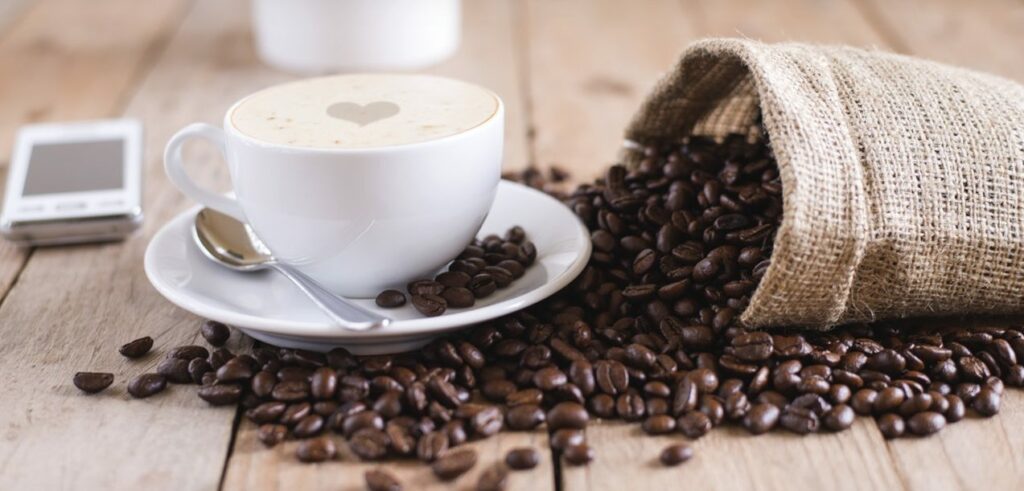
When it comes to caffeine some people just simply cannot make it through the day without it whilst others have no care for it.
But the big question is whether or not it’s “bad” for us.
We asked UK health expert & NHS weight loss consultant surgeon Dr Sally Norton to take a look at whether or not caffeine should be part of our every day lives.
By Dr Sally Norton
 It’s clear that our caffeine levels are creeping up and up.
Whether it’s a latte on the way to work or an espresso to get through the afternoon slump, coffee has become a routine pick-me-up for millions of people across the UK.
However, there are growing concerns about the number of us who are addicted to caffeine and consume cup after cup of the black stuff on a daily basis. In a recent study, more than a third of those surveyed said they had to start the day with a cup.
But should it be limited? There is caffeine in tea, chocolate and fizzy drinks as well as coffee, so our daily allowance can quickly add up.
The increasingly large coffees offered in high street coffee chains and the surge in popularity of ‘energy drinks’ doesn’t help either. As a quick guide here’s the caffeine content in some popular drinks:
Espresso (40-75mg/oz)
Generic brewed coffee (19mg/oz)
Generic instant coffee (12mg/oz)
Red Bull (9mg/oz)
Coffee ice cream (7.5mg/oz)
Black tea (5mg/oz)
Chocolate (milk) (4mg/oz)
Diet Coke (4mg/oz)
Coke (3mg/oz)
How much are you consuming each day?
But lets look at the health implications now in detail – is caffeine all bad….?!
Here Are 5 Reasons To Quit Caffeine & 5 Reasons Not To:
TO QUIT?
1. It can be bad for your heart
Some studies show it can reduce blood flow in your coronary arteries when you need it most – during exercise – as well as cause palpitations or irregular heartbeat and may possibly increase your blood pressure over time.
2. It disturbs your sleep
People who drink more than three cups of coffee per day are scientifically proven to have less than restful sleep. One study showed a difference of 79 minutes sleep between drinkers of caffeinated vs decaffeinated drinks. If you struggle to get to sleep then caffeine should definitely be a no-go. It takes about 5 hours to clear from our system – so drinking coffee after lunch-time is worth avoiding.
3. It is often linked with sugar
Even if we don’t add sugar to our coffee, we are often tempted to accompany it with a biscuit, cake or a breakfast muffin – particularly when encouraged to do so by high street chains. In addition there can be 11 teaspoons of sugar in some varieties of coffee – our total recommended daily intake. The calorie count of these specialist coffees can be huge too so not good if you are watching your weight.
4. It’s bad for your mood
Caffeine increases catecholamines such as adrenaline – known as the “fight or flight” hormone. No surprise then that caffeine can make you tense and jittery in high quantities.
5. It can impact your fertility
Drinking more than five cups of coffee a day – the equivalent of about 500mg of caffeine – is linked with lower fertility. If you’re trying to get pregnant, it’s certainly worth cutting down, and once you are pregnant you’ll want to quit caffeine altogether or certainly cut back to less than 200mg per day as it may increase the risk of birth defects or reduce foetal growth.
NOT TO QUIT?
1. It can improve sports performance
Drinking a caffeinated drink before sport is associated with improved endurance and other sporting measures. It seems that caffeine increases heart rate but reduces the pain felt during exertion, encouraging us to push it that bit further.
2. It can increase mental alertness
Studies performed on people in stressful conditions showed improved concentration, learning and reaction time after 200mg caffeine. In addition, there is some evidence that it can delay onset of Alzheimer’s disease.
3. It may reduce the risk of some diseases
Drinking coffee, though apparently of both caffeinated and decaffeinated types, is associated with a reduced risk of type 2 diabetes. It is also associated with a reduced risk of some types of cancer. Coffee adds high levels of antioxidants to our diet (up to to 64% in one study). Antioxidants protect us against various diseases, which may explain some of these benefits.
4. It may protect the liver
Fatty liver disease is becoming an increasing problem due to the combination of alcohol and obesity. Excess fat in the liver can cause inflammation and lead to cirrhosis. Some studies show that caffeine intake may be associated with a lower risk of fatty liver.
5. Caffeine cheers us up
Even just the smell of coffee can make us feel better and drinking it too is related to lower rates of depression. Not to mention the social element of relaxing with friends over a cuppa.
So, what do we do?
It seems that going cold-turkey on caffeine is not necessary – and we may even be worse off. Instead, we just need to be aware of how much we drink and avoid replacing caffeine with sugary drinks!
Dr Sally Norton is the founder of www.vavistalife.com.