
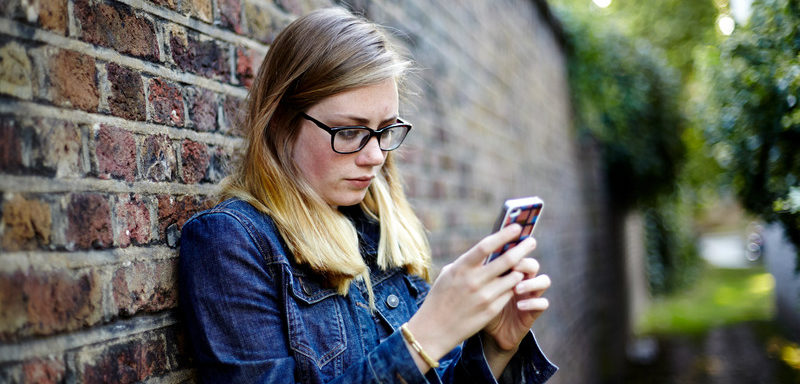
Childhood bullying is something we all remember in some way, shape or form. Either as victims, perpetrators or those who watched from the sidelines.
But the landscape of bullying has changed significantly since most of us were teenagers or children. With the emergence of the technological age young people are far more connected today than they ever were.
Where once most childhood bullying was confined to when the victims were at school or extra curricular activities allowing them to find solace at home, today it’s a different story.
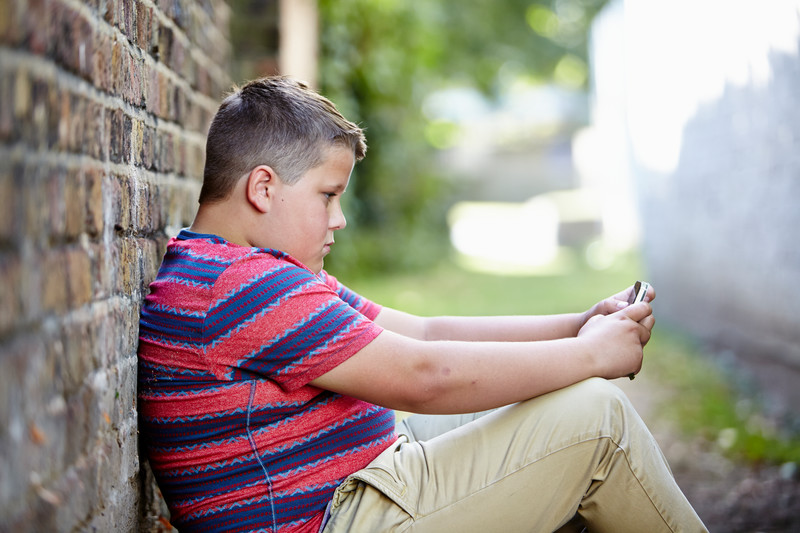
The NSPCC’s Childline is warning parents to be just as vigilant during school holidays to detect and acknowledge some of the signs of bullying.
Childline’s counsellors are increasingly finding that with the growth of social media and children’s ability to remain connected to peers at all times via mobile devices, bullying is becoming a 24/7 issue.
Worryingly bullying was the fourth most common reason for children to contact the free and confidential helpline in 2015-16.
A spokesperson for Childline said: “Online bullying is one of the biggest child protections challenges of this generation. It is a problem intensified by the ever-increasing presence of the internet.
“Years ago a child could escape their bullies when they left the playground and get some respite in the safety of their home, now the 24/7 nature of the internet means that a child can be targeted around the clock.
“Bullying, regardless of whether it occurs online or in person can have a devastating impact on a young person, affecting their self-worth, leave them feeling isolated and potentially being a trigger for depression.
“We receive a lot of contacts about bullying, in particular from children aged 11 and under. Last year, Childline carried out 318 counselling sessions with children from Northern Ireland who were experiencing bullying – including online bullying. Bullying can happen to anyone at any age. No one has the right to hurt you or make you feel bad and if you are being bullied you don’t have to put up with it, you can talk to someone about it. You are not alone – Childline can help.”
If a child is being bullied, Childline counsellors advise them to:
- Tell someone – speak to a friend, parent/guardian or someone they trust. Even if they’re not ready to take it further they can offer them support.
- Find a way to stay safe – stay away from people known to be involved in bullying, if bullying happens on the way home make sure they’re accompanied or get a lift.
- Block the bully – make sure they don’t have access to social media accounts and don’t reply to any abusive messages as this can make the situation worse.
- Build self-esteem – it is easy to start believing that the insults are true, even though they are not. Getting confidence back can help children deal with bullying.
Anyone being bullied can speak to a Childline counsellor by calling 0800 1111 or through a one-to-one chat online at www.childline.org. There is also advice from other young people on the online message boards.