
There’s a revolution happening and one I wholly celebrate. Across the UK and US victims of sexual violence, abuse, discrimination and harassment are standing up to be heard. They’re telling their stories and people are finally listening.
It may be a case that those in the public eye are jumping on the bandwagon of the latest campaign issue that happens to be in vogue on both sides of the Atlantic but should that really stop us taking it all seriously?
I can completely understand that there are some people who are looking at these allegations of sexual harassment and misconduct as potential witch hunts but regardless of the motivation of those who are speaking up – it is irrelevant if the accusations are true. It’s human nature to react to a flurry of allegations like this with skepticism and to consider the possibility that there are people involved “jumping on the bandwagon”.
However, when we raise awareness for something like this and the public see the reactions are more positive than negative towards the victims of course it’s going to encourage more people to step forward.
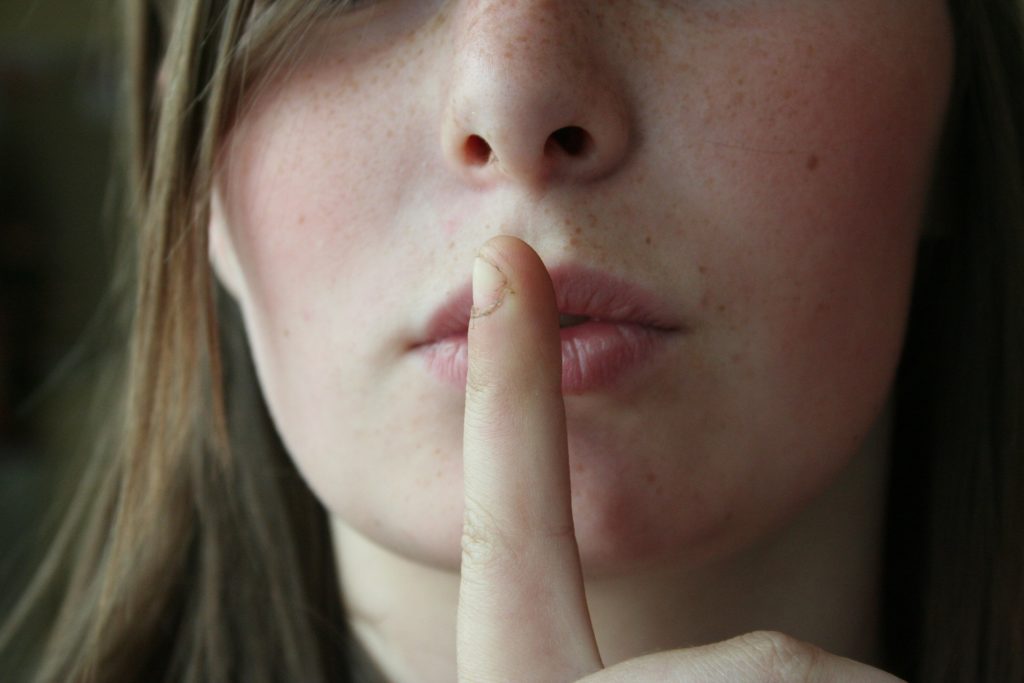
For me what’s most important about what’s going on at the minute is that we must educate ourselves and our children about sexual harassment, sexual violence and abuse as a whole. It cannot continue to be a taboo subject that is spoken about behind closed doors. To me this whole situation has highlighted a much deeper issue that lies within our society and that’s the issue of how we recognise what sexual harassment and discrimination is. On top of that we have to look at how accessible support services are to adults, young people and children who want to disclose any form of sexual violence or harassment no matter how insignificant others think it may be.
I believe the Weinstein and Westminster scandals have highlighted a number of things we need to address. Among those is the huge number of women and men who have been the victims of sexual harassment who simply cannot recognise it because it’s so accepted and ingrained in the society, industry or social circles they exist in. And secondly, in my opinion much more dangerous, there is a section of society who accept, acknowledge and understand that they have been the victim of a sexual perpetrator but who are too afraid to speak up as a result of the perceived negative consequences it may have on their life.
The question now on everyone’s mind is how do we not only recognise the line between appropriate and not appropriate behaviour when it comes to sexual harassment but how do we teach this to the next generation. Whilst the line is seemingly vague for me it’s simple – no means no! And the only way we can get this across to adults, young people and children of both sexes is by open and frank conversation. This conversation must be opened up in schools, colleges, workplaces and within the friends and family circles.
Educating people isn’t enough. We must, as a society, learn to deal more compassionately and effectively with allegations like this through workplaces, educational institutions and statutory bodies amongst others.
What these latest scandals have done is highlight once again a very serious taboo issue that for many years we were afraid to talk about and those who did were persecuted and vilified for telling their truths. It’s important that we remove the stigma attached to being a victim because belittling those who come forward simply prevents others stepping forward and benefits no one but the perpetrators of sexual crimes.
In order to truly educate ourselves and our young people about the dangers of sexual predators we must open healthy conversation about sexuality in general. It’s important we consider that by teaching young people what a healthy sexual relationship is we can help them better understand and recognise appropriate and inappropriate behaviour towards them. Whether we like it or not this includes an acceptance for all forms of sexuality and requires us to be open and honest with those around us that sexuality isn’t just confined to a man and a woman in a missionary position.
Follow Tina Calder on Twitter @TinaCalder or connect with her on Facebook Facebook.com/TinaCalder / Facebook.com/TinaCalderJourno