

According to Sogyal Rinpoche, author of The Tibetan Book Of The Living & Dying, “modern society is largely a spiritual desert…”
Now most of us, whether we consider ourselves spiritual or not, can probably relate to this and agree that the majority of our society live fast-paced, demanding, and predominantly competitive lives. We simply do not consider our spiritual health a priority.
We might dabble in a little mindfulness, or pop down to our local meditation center here and there, but that’s often about as far as it goes. We are too busy with our careers, our gadgets, and with striving for our own definition of ‘success’ – already looking towards the next thing by the time we achieve it.
We’ve forgotten how to be still, or in the moment. How to sit with ourselves and listen to our own inner voices, the voice that knows us better than anyone and is the keeper of all the answers we will ever need about ourselves. We look towards the external both for answers and for the happiness and fulfillment we all desire, as well as our own definition of ‘success’.
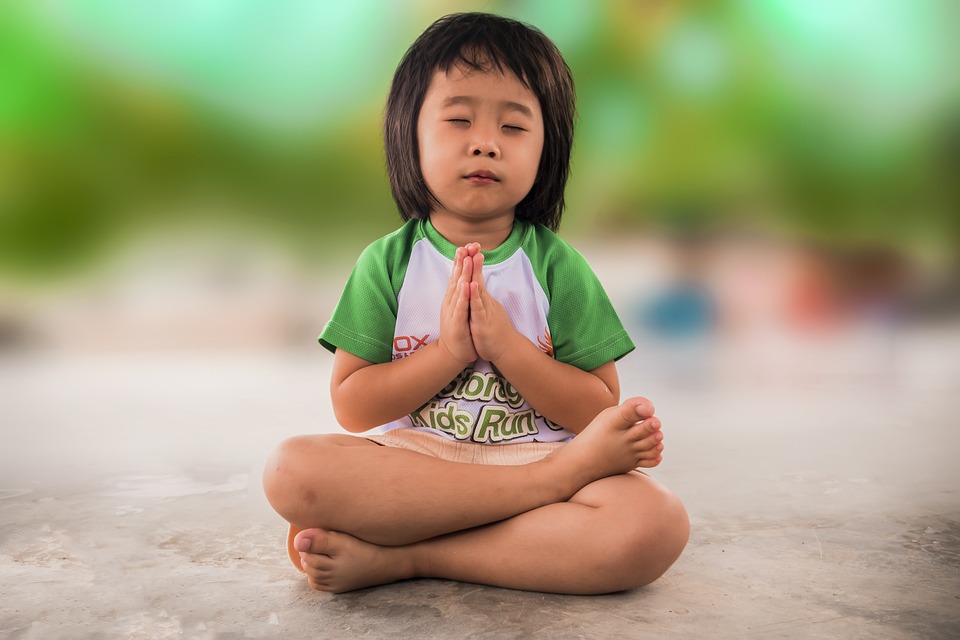
Not content with our own achievements, we have set this standard for our children, too – taught them to follow a model that suggests they will fail miserably in life if they, too, don’t strive for the same things. But what exactly is ‘success’ and what has spirituality got to do with academics? Let’s be honest, they don’t even belong in the same sentence, do they?
Well, let’s start by acknowledging that from the age of five and until the day their formal education finishes, academic performance will be the most dominant feature in the majority of our children’s lives. Both schools and parents – unwittingly perhaps – place huge emphasis, not to mention undue pressure, on children to perform in an academic capacity.
Constantly seeking to improve their grades, not to mention having them sweat over and sit transfer tests at the tender age of eleven, which surely sends out the message “I am either failure or a success”. We want them to be ‘successful’ in life and we tell ourselves they will be happy because of it.
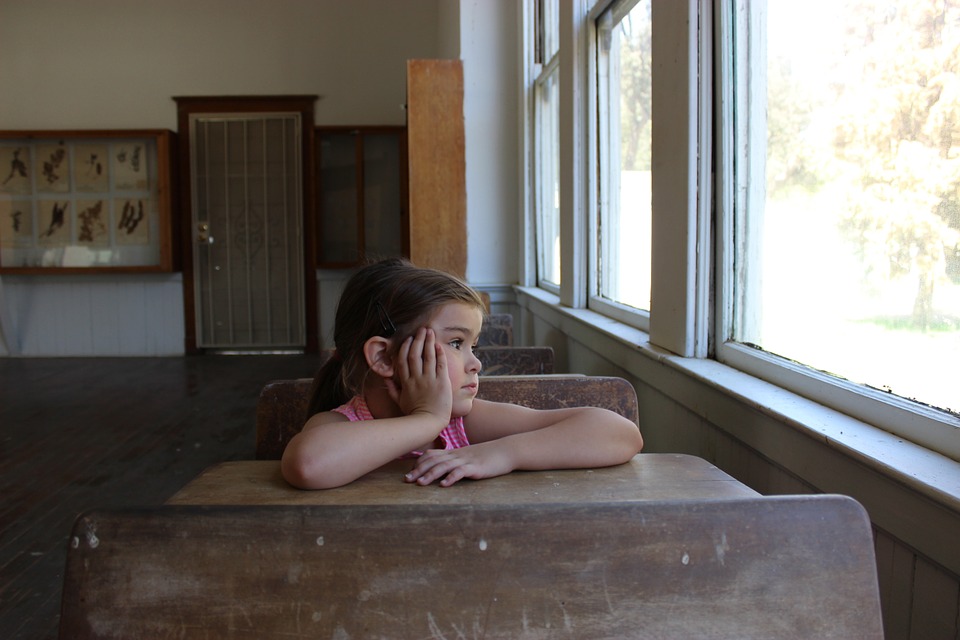
While there is no denying that we live in competitive times, or that some level of formal education is required, this competitiveness and emphasis on academia has gone way too far. We shortsightedly equate exam results with failure or success, and success with a false notion of future happiness.
We enforce a set of beliefs that favours academic progress over spiritual health and development, then squeeze our children into ill-fitting programs and social norms that work only on a superficial level. But the irony is that in doing so we are not only failing to ask ourselves what it is our children really want, but also paying little attention to the natural talents and the interest they already have.
We unwittingly create an unhealthy and potentially devastating imbalance, as well as failing to adequately prepare them for the world as adults – good grades might get them into college or university but they will do little to prepare them for their relationship with themselves and those in the world around them.
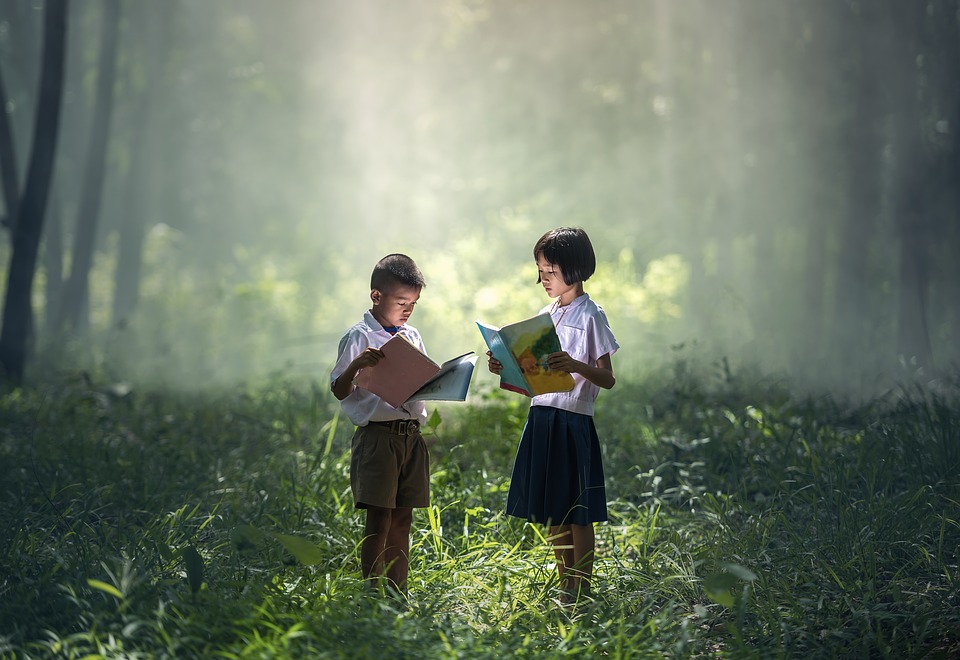
It’s surely no coincidence that depression, stress levels and young suicides, even, are at an all-time high. A child’s sense of self, of his relationship with the world around him, and how he makes sense of that world is the very fabric upon which he will grow, both mentally and spiritually.
That’s not to say our schools do not provide some form of pastoral care, however, when it cannot even address the root of so many children’s deeper issues then can it really be considered as anything more than lip-service?
Even in primary school our children’s school books and homework folders’ demand too much attention to leave room for a satisfying degree of personal and spiritual growth, not to mention the encouragement and nurturing of their own unique talents and abilities.
More importantly, we need to reassess our definition of what ‘success’ really is. Accept that it comes in many varied forms and not just at the bottom of an exam sheet or from a high paying career – that myth ‘you only get one chance in life’ is not what our children should be told.
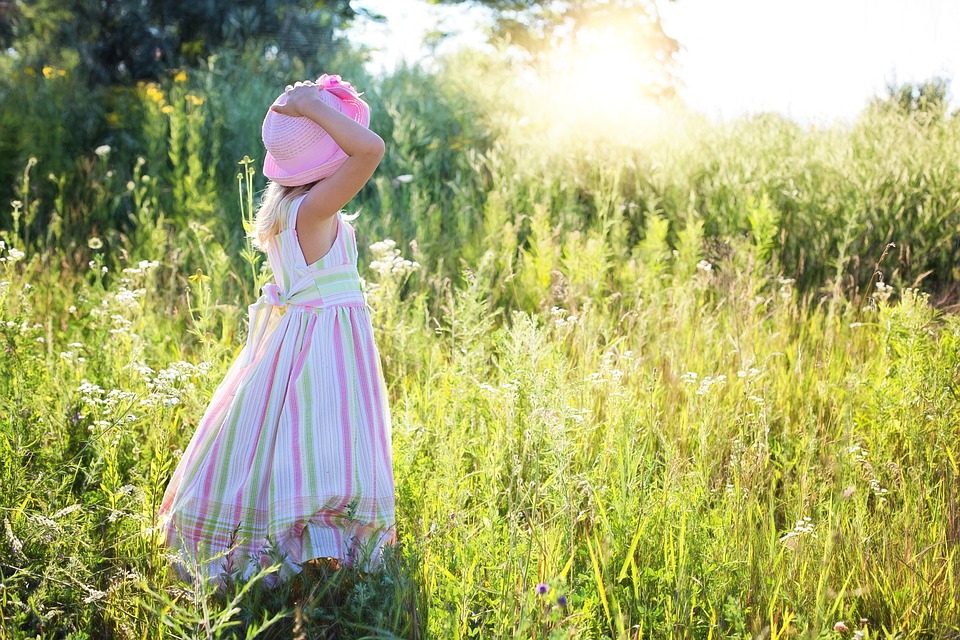
But if we cannot rely on our schools to quench that spiritual thirst by ensuring that the level of balance our children need finds its way into the classroom, then what can we do? Do we even have a say in the matter? The curriculum is the curriculum and the education system is, well, just that, whether you like it or not. There’s little room for parental input.
But, if only, in an ideal world, some of that intellectual learning could be replaced with skills such as mindfulness practice, for example, which would not only help a child to feel more grounded, but also show them how to be present and in the moment – a highly effective way of tuning into their immediate environment.
It also trains the mind not to ruminate, a major factor with most mental health issues, and surely a far more useful qualification to enter adulthood with than a set of facts only relevant in the classroom?
Meditation, on the other hand, quietens the mind and encourages practitioners to get to know and seek answers within themselves, rather than chasing temporary external fixes and pleasures. It enhances both problem solving and creativity, and it works equally well for children as it does for adults.
We can surely do no better service to our children than prioritizing their spiritual growth over their academic performance – or at least give equal weight to it – to equip them to think for themselves and make confident and balanced decisions in their lives.
More than anything, our children need to know and care about themselves, as well as those around them. They need to feel grounded and balanced and able to explore their own unique worth and values rather than gauging them through a set of test papers or exam results. Surely achieving those vital set of skills is a much truer definition of success.
What do you think? Leave your comments below