
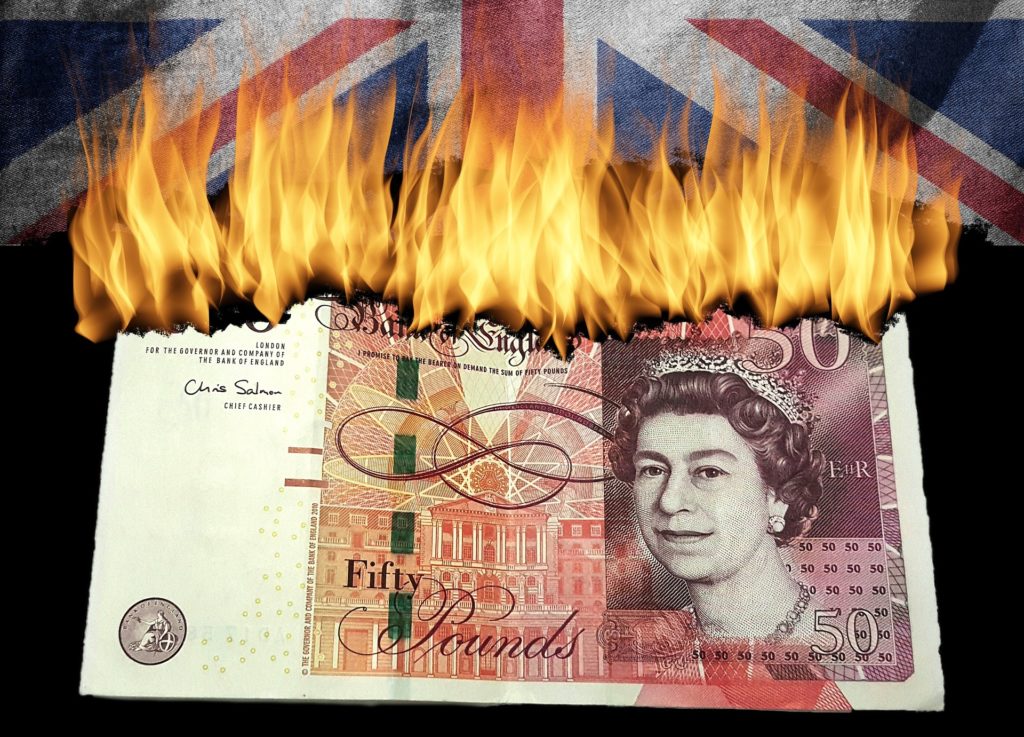
WITH the ever-lengthening period without a devolved government Secretary of State, James Brokenshire, is now considering MLAs pay.
Former Chief Executive of the Assembly, Trevor Reaney, has presented a report on what level of pay our elected representatives should receive plus their expenses and office staff salaries.
At present MLAs receive £49,5000 (pre-tax) per year, with their salaries set to rise £500 per year for the coming three years. Office holders such as ministers and committee chairs receive more when the assembly is sitting.
While the public clamour for salaries to be axed some MLAs have been pointing out that their work includes representing and working for their constituents.
However, they employ people in their offices to do this work. When the Assembly is sitting MLAs are at Parliament Buildings Mondays and Tuesdays for Plenary Sessions, and committee meetings run through to Thursdays.
No-one seriously doubts the long hours MLAs work when devolution is running – plus the late hours, availability and constituency surgeries on Fridays and Saturdays.
It is notable that no MLA is saying that they should retain their full salary, and it is reported that at least two are seeking other employment.
Added into this there is a curious dichotomy arising. The Department of Finance is working to give health service staff their long-awaited one per cent pay rise, off their own bat. At the same time the head of the civil service has said that survivors of historical abuse cannot receive interim payments until legislation is established to create a body to administer the compensation.
This curious limbo world exists with the Brexit bedlam in the foreground.
The reality is that there are no decisions being taken by MLAs; there are no policies being set; no legislation being drafted; and, no ministerial leads on departmental budgets.
With Northern Ireland’s budget from Westminster being cut year-on-year and the numerous regulatory issues to be sorted out there has never been a more pressing time for the two warring political parties – the DUP and Sinn Féin – to agree some sort of way forward.
One understands the principles that they have established, the so-called red lines.
But whether the stick of cutting pay has any effect at all arguably the carrot they should focus on is the welfare of the populace at this time.
Confidence in politics in Northern Ireland has never been at a lower ebb – and for all those who believe that democracy has any value. Otherwise the keys may be just be handed to Mr Brokenshire to get on with it.