
Over the years, tons of fad diets have come and gone but one nutritional strategy that’s highly effective has held strong, gaining momentum and scientific backing over the last 20-plus years – higher-protein diets.
What are the benefits of higher-protein diets? Why is protein important for weight-loss? And what actually qualifies as a higher-protein diet? Let’s dive into these questions, and more!
Research has shown that consuming a diet higher in protein is not only safe for an otherwise healthy person, but that it also provides a host of health benefits, including:
- Enhanced weight-loss and accelerated fat-loss
- Reduction in fat stored around the belly or middle
- Protection and assistance in building calorie-burning muscle
- Prevention of weight regain after weight-loss
- Boosting your metabolic rate
- Increasing satiety and improving appetite control
These are just some of the reasons why I advocate for higher-protein diets, and carb-cycling programmes that focus on nutrition from smart proteins and healthy fats.

But how does a higher-protein diet do this?
- Higher-protein diets can help to boost your metabolic rate.
All foods we eat require calories to be burned to digest, absorb, and assimilate their nutrients. This is the thermic effect of feeding (TEF), otherwise known as the thermogenic burn.
Protein-rich foods have the greatest thermogenic burn of all, boosting the metabolism THREE to SIX TIMES more than carbs or fats. This means you burn more calories each day when you consume a higher-protein diet. It also means protein-rich foods provide less metabolizable energy than carbs or fats, meaning your body is less likely to store calories from protein as fat.
- Higher-protein diets increase satiety and improve appetite control.
In other words, a higher-protein diet can help control your caloric intake, reduce cravings, and improve the quality of your diet. Similar to its thermogenic burn effect, high-protein foods have a much more pronounced effect on satiety and appetite control compared to carbs or fats.
In a recent study published in the Nutrition Journal, researchers from the University of Missouri found that consuming higher-protein snacks improved satiety, appetite control, and limited subsequent food intake when compared to higher fat and higher carbohydrate-based snacks.
- Higher-protein diets are essential for protecting and preserving lean muscle.
This is crucial because losing muscle mass, which is a common and expected side effect of most reduced-calorie diets that are not high-protein can lead to a reduced metabolic rate, increased appetite, and a greater likelihood of weight regain.
Now that we know why protein is important for weight loss, you may be wondering just how much protein you need to reap the awesome rewards of a higher-protein diet.
How much protein is optimal?
The Institute of Medicine (IOM) has established a recommended dietary allowance (RDA) of protein intake of approximately 0.36g of protein per pound of body weight per day. However, if you’re interested in reaping the metabolic advantages of higher-protein diets, you’re going to have to shift your thinking from surviving (i.e. the minimum) to thriving (i.e. optimizing).
Research indicates that to optimise your protein intake, you may need up to TWICE the RDA. Higher-protein diets generally provide somewhere between 0.55-0.73g of protein per pound of body weight per day, which means each meal should contain approximately 25-30g of protein.
What does 25-30g of protein look like?
- 1 chicken breast: 31g of protein at 165 calories
- 3 ounces of tuna: 25g of protein at 157 calories
- 1 cup of cottage cheese: 25g of protein at 222 calories
- 3 ounces of lean beef: 22g of protein at 213 calories
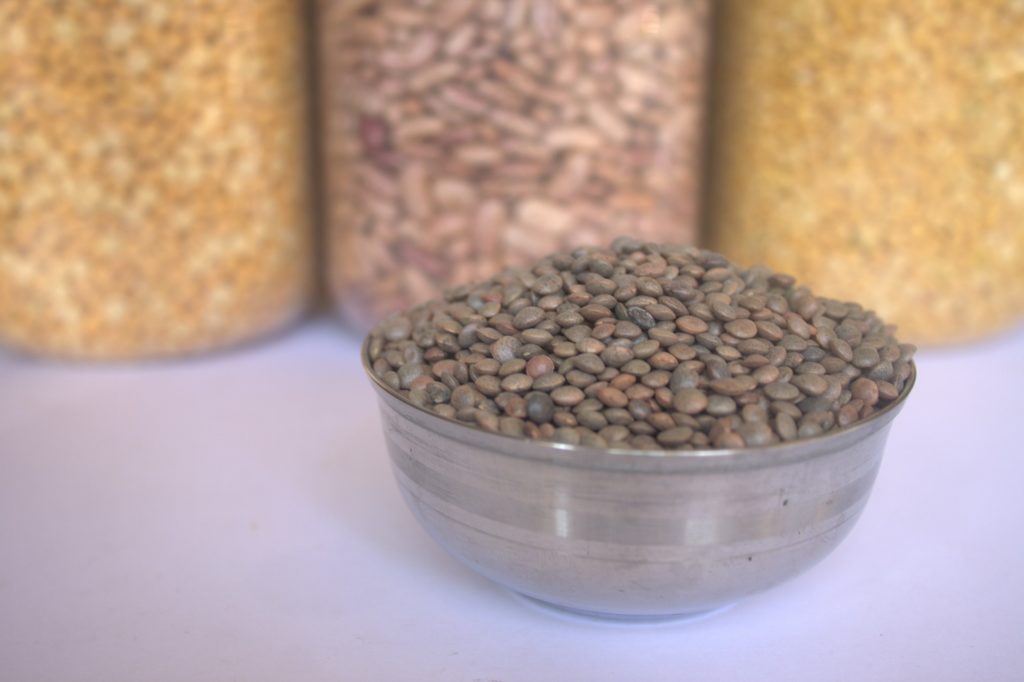
- 1 cup of lentils: 18g of protein at 230 calories
- ½ cup of oats: 13g of protein at 303 calories
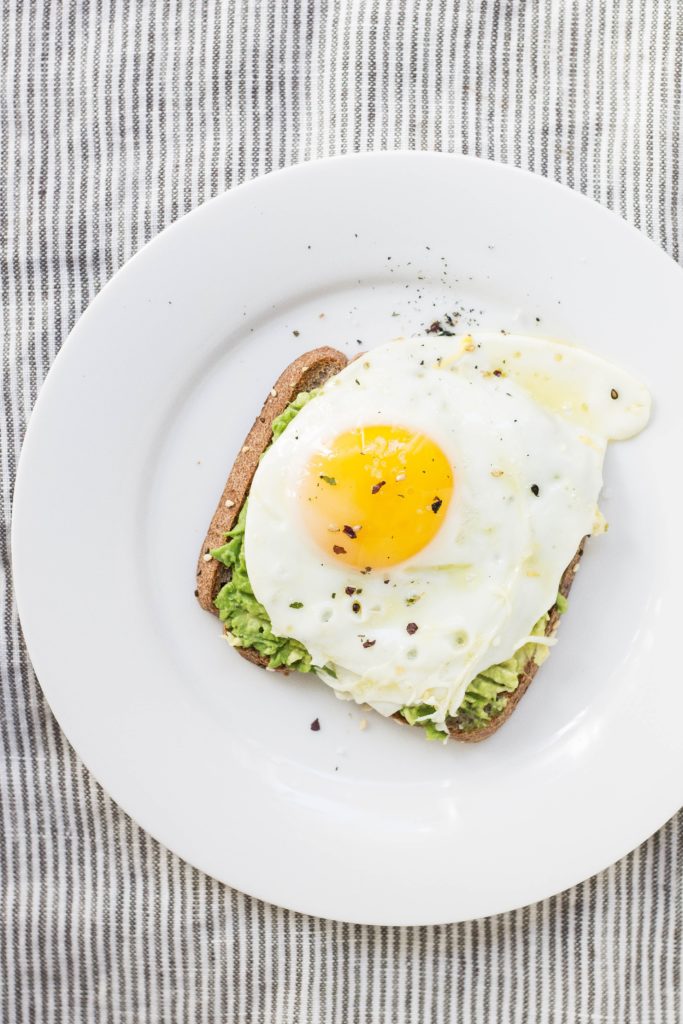
- 1 egg: 6g of protein at just 78 calories
- 1 ounce of almonds: 6g of protein at 163 calories
In my opinion, most of the women I talk to do not eat enough protein. I consume about 100-120g of protein per day, and I am 107lbs, and a vegan. The daily protein target is achievable, and it can change your whole outlook and your body, but for times when it is difficult to obtain your daily protein target from preparing and eating meals alone, you can supplement or add a protein shake to your intake to make it easier to hit your daily protein goal.
Discover Lisa’s Delicious One Day Detox Plan
Detoxing Your Body, Naturally
Want to reduce bloating fast? Cleanse your body from within with Lisa’s FREE 1-day plan of mouthwatering “cleansing” meals. Just go to www.warriorgoddesskettlebelltraining.com/one-day-detox for more information.