
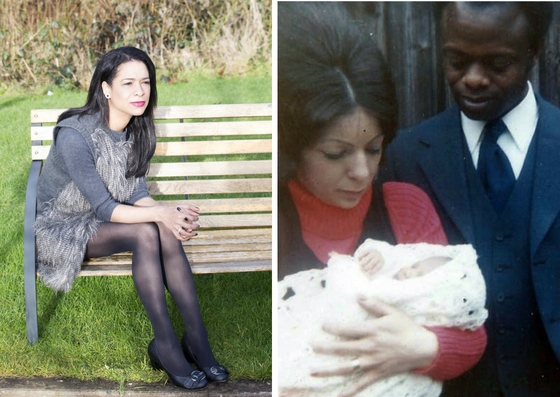
A victim of the Northern Ireland Troubles has revealed how she was forced to flee to England after a series of racist incidents and a horrifying attack.
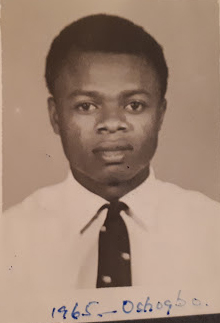
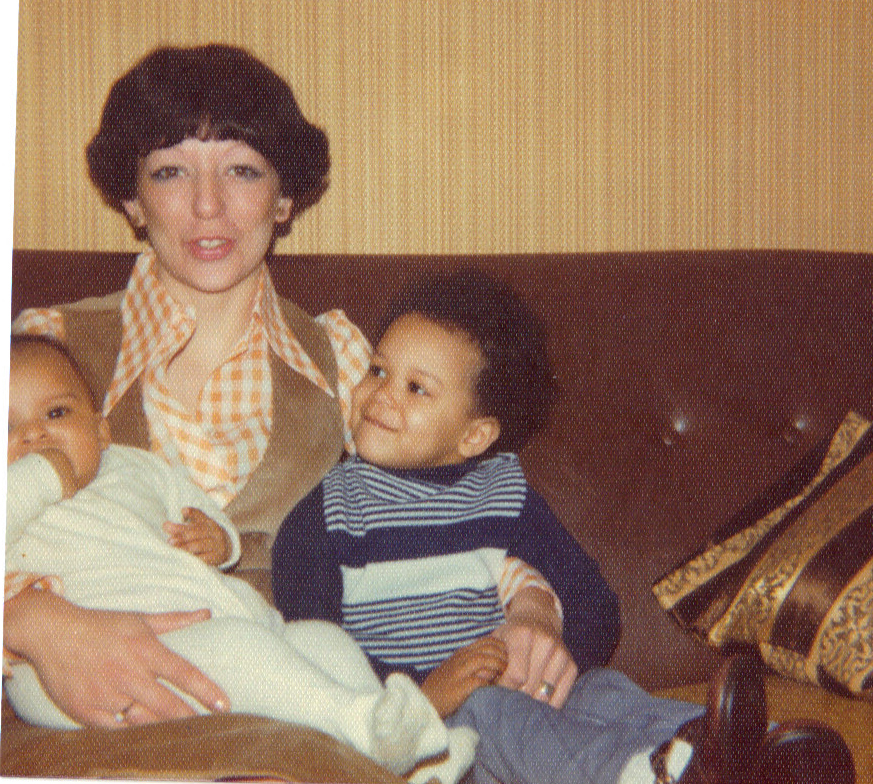
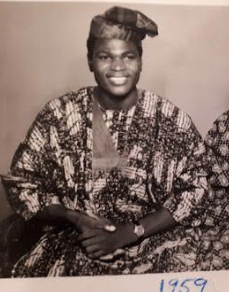
Jayne Olorunda, 39, was just two years old when her father, Nigerian born, Max Olorunda was killed by an IRA incendiary bomb which detonated prematurely in Dunmurry aboard a train from Ballymena to Belfast in January 1980.
Since the death of her father Jayne and her family have been forced to overcome the devastating effects of losing an innocent loved one while struggling to battle racism, poverty and grief.
In 2013, determined to show people the reality of being an unlikely victim of The Troubles, Jayne released her book Legacy, a heart-breaking account of how her family lived and continue to live with the aftermath of her father’s tragic death.
“Growing up I realised our story was different and as I got older I wanted people to know” said Jayne.
“I wanted people to know what we had to go through and I wanted to ask questions.
“I quickly realised the only way to do this was to write it down. I hope that Legacy will give people an insight into what it was really like behind the curtains for victims across the country, to give them an idea as to what we had to endure as a family.”
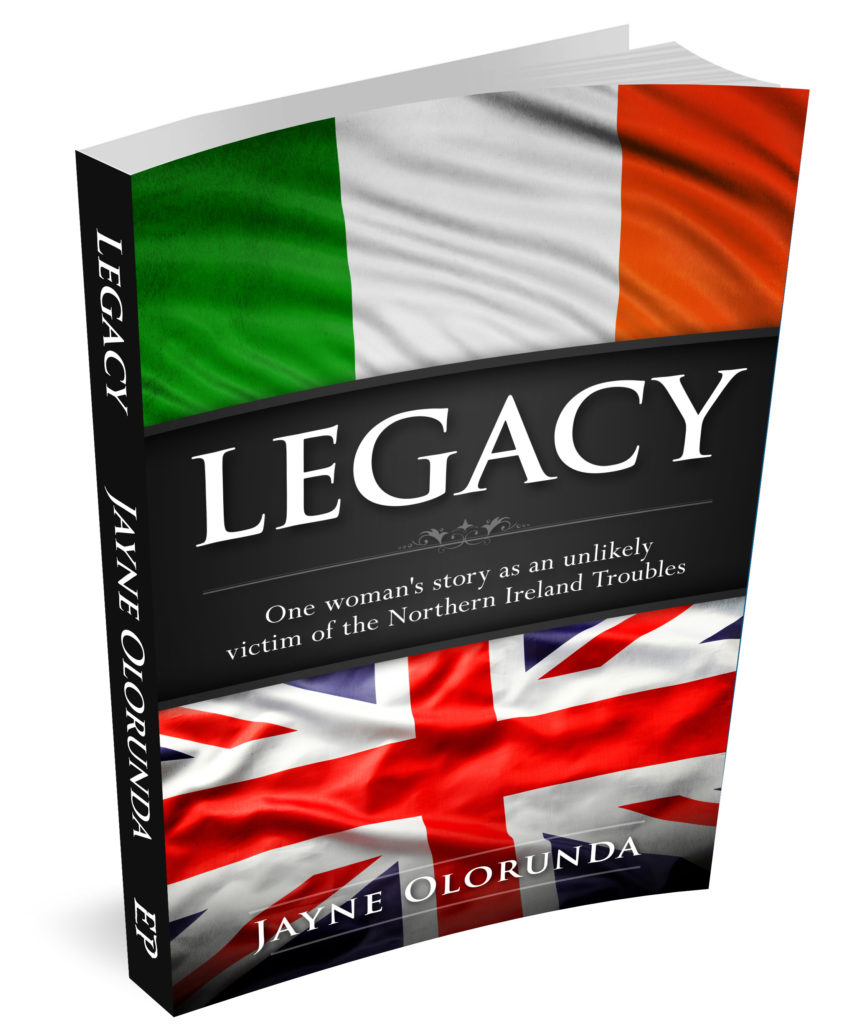
In Legacy, published by Excalibur Press, Jayne recounts the very personal story of her mother Gabrielle’s deteriorating health, how they eventually met the “man who murdered” her father, how Gabrielle ended up believing her family was under the spell of a Nigerian voodoo curse and Jayne‘s own struggle as a mixed race Catholic child who “never really fitted in anywhere”.
She said: “Racism has been a huge factor in my life and even occurred towards my parents before I was born.
“In the book I recount a story my mum told me. The incident happened when she was carrying my sister was told ‘how dare you bring another black bastard into the world’.
“As I grew up I got sick of being told ‘go back home’ and being asked ‘where were you from before here’, people just wouldn’t believe I was born in Northern Ireland.”


As a campaigner for victims rights over the years Jayne questioned what was really being done to support victims of The Troubles across Northern Ireland.
“I’ve seen no evidence of any tangible help for Northern Ireland victims” said Jayne.
“In my opinion no-one is out there to treat post-traumatic stress, no-one is there to prevent families falling into the abyss that mine fell into. Above all no one is there to help the children of the struggle.
“Money allocated to victims would be better spent on training doctors, medical staff, government institutions and private institutions.
“No one should have suffered like my Mum and mechanisms should be put in place to ensure such suffering like The Troubles is a thing of the past.”
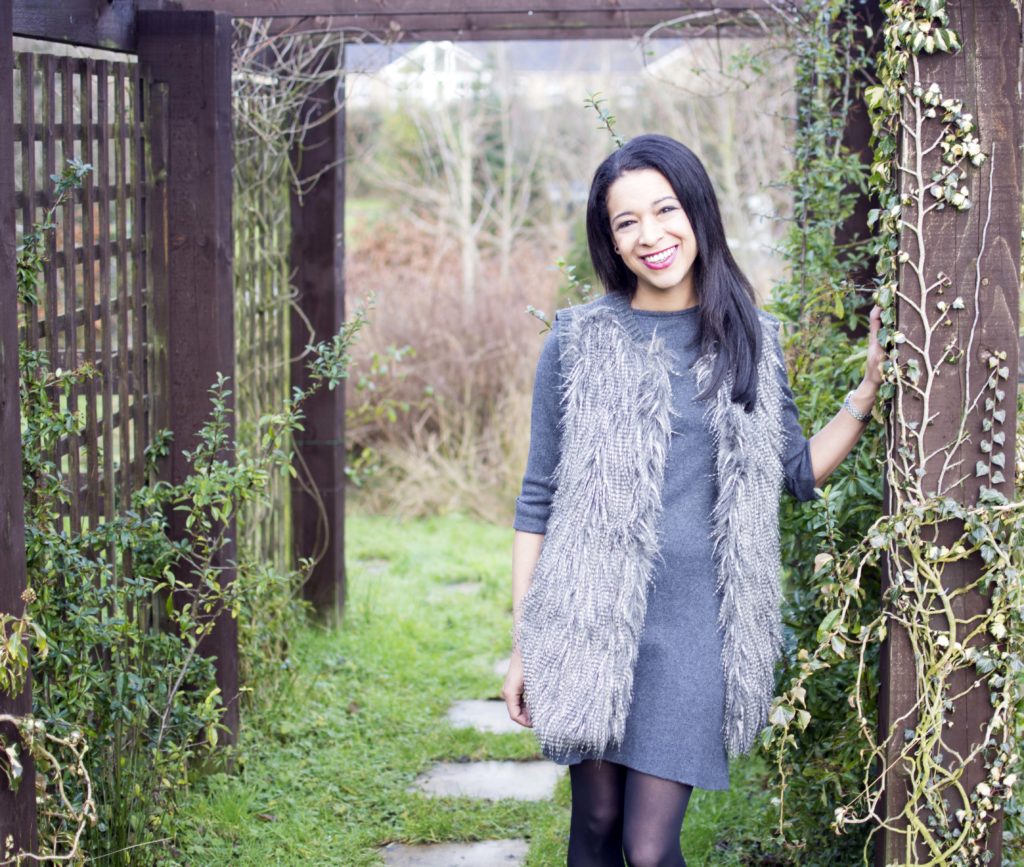
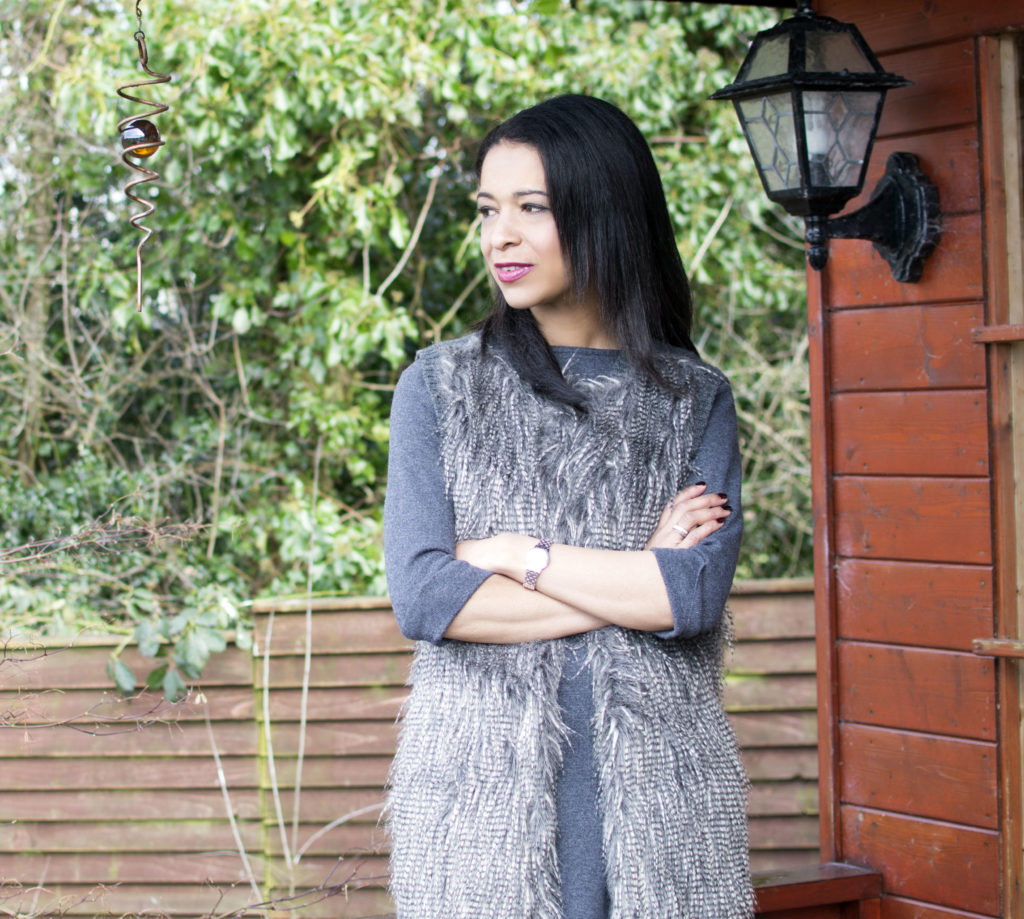
Pic: Debbie Deboo
Over the years Jayne’s growing popularity as a voice for victims led her to become a cross community project worker and eventually to stand for election in 2014 with the ill-fated post-Troubles political party NI21.
But despite her public profile Jayne was not immune to the tide of severe racism that began sweeping through Northern Ireland post-conflict.
In fact, Jayne believes that the reduction of sectarian violence led the way for a new wave of hate crime. As Northern Ireland became more cosmopolitan she is adamant it has also become “much more racist”.
She added: “Racism has always been an issue in my life, after all we are a mixed race family and don’t always blend in. Growing up we became used to stares and taunts, but that was all we had. Naively I thought that Northern Ireland seemed to be changing, more and more people of colour were coming in and we no longer stood out as much.
“I didn’t realise that some people would react to the change in what they viewed as familiar with with more than words and taunts. Don’t get me wrong, words and taunts hurt but I was accustomed to them and determined to fight. I even hoped that my work in the public eye would help to raise awareness of the difficulties faced here by people of colour and those new to our shores trying to integrate.”
However, Jayne’s hope was short-lived as she found herself the victim of a devastating and horrifying racist attack in 2016 that eventually led her to fleeing Northern Ireland with her family.
She revealed: “In early 2016 I learnt just how much of an issue people like me are to some. I had been invited to dinner by an African family, I was so excited because believe it or not at the time I didn’t know many Africans and even more importantly I had never had African food.
“It was a beautiful welcoming atmosphere in the house, people laughing and talking and children playing.
“I had to leave early so I said my goodbyes and thought nothing of walking out the front door onto the street and walking the short distance to my car.
“But within seconds of being out the door I unwittingly encountered a group of right wing thugs, who surrounded me, blocked me in with an SS banner they were carrying and proceeded to terrify me.
“There was about eight of them shouting racist slurs, telling me to ‘go home’ and using threatening gestures and behaviour.
“I didn’t know what to do. They had me cornered, I feared for my life, I couldn’t call for help. I couldn’t knock the door of the house – people inside were having a good time, singing and were joyful. I didn’t want to expose them to what was happening, especially because there were children in the house and the front door opened directly into the living room. I couldn’t have exposed any child to that.
“I repeatedly told the mob that I was from Belfast but they were having none of it, they approached me from across the street, I didn’t have my phone but I reached into my bag anyway just incase the thought that I might call for help would deter them.
“It made things worse. I was told to ‘go ahead and call your Nigger loving PSNI’.
“One of the men was walking towards me quickly screaming that I wasn’t from Northern Ireland and therefore didn’t belong. As he got closer he suddenly asked whether I was from Belfast and when I said ‘yes’ he stopped in his tracks and called me by my first name.
“He said ‘is that you Jayne?’. I replied ‘yes’ and I was allowed to carry on. I was shaken and scared, my car seemed like it was a million miles away.
“It turned out I was ‘lucky’ that I was recognised by this man. I recognised him as he came closer to me. Not only had he decorated my house a few years earlier but he was a member of a local political group and was even a ‘Facebook friend’.
“I honestly believe he stopped the attack or at least gave me time to get away, even though he was part of it. I am under no illusions though, I know he intended to do harm, I don’t see him as a hero but I’m glad he recognised me.”
Pic: Debbie Deboo
The attack had such a profound effect on Jayne’s life that she gave up campaigning, public appearances and even restricted her movements to areas close to where she was living at the time.
“Encountering their hatred changed my life” she said.
“I thought I was never going to get past it. I literally became a hermit, a once social person my world suddenly revolved around my home. I was ashamed to walk down the street, I went nowhere alone. No matter what I knew to be true, my reaction was to tarnish everyone with the same brush.
“I knew I couldn’t provide Mum with the care she deserved and that my new self questioning state meant that she was deteriorating. It was then that my sister, niece and I took the decision that we should leave Northern Ireland.”
Despite reporting the crime to Police right away and being able to give a good enough description of her attackers that they were “invited” to be interviewed at the local station, the CPS dropped the case on the day it was in court because the PSNI did not conduct a VIPER which is a line-up identification process.
As a result of feeling let down by the authorities and unsafe in her own city Jayne and her family began a year long preparation to leave Northern Ireland forever.
They now live in Leeds, Yorkshire and Jayne has now resumed her career working with young people.
And life has changed dramatically, for them all.
She said: “It’s hard to leave your home at anytime, but when you leave your home due to intolerance it’s overwhelming. As a family the decision wasn’t easy but having lived through the outcome of intolerance before with Dad we knew how dangerous any type of hatred can be. Like sectarianism, racism cannot be undermined.
“The rise of racism in Northern Ireland and the escalation of some very right wing views meant we no longer felt safe.
“It had got to a ridiculous stage. The underlying racism was rife. At one stage I was even asked would I be interested in offering an Islamic awareness course. As a Christian the request was a bit of a shock, as was being told my culture eats spicy food and in front of an entire office being singled out and asked how does my culture celebrate Christmas. The assumption that my colour made me a different culture was so offensive.
“All my life I have lived in the shadow of sectarianism, as an IRA victim we weren’t welcome in Catholic areas, and as Catholics we weren’t welcome in Protestant areas.
“England has been very welcoming to us. It feels the atmosphere here is different. I know we have made the right decision. I spent my last two years in Belfast afraid to go out alone as a result of my attack. A house up the street from my sisters former house was attacked in a racist incident literally the day after we left.
“Here no one looks twice at me, except when I speak but my accent is a bit of an ice breaker. So many mixed race people and black British people are about, that I am nothing new. I at last fit in. Yes my very composition means I will never escape racism but it’s nice to feel more accepted.”
Legacy, published by Excalibur Press, by Jayne Olorunda is available from www.excaliburpress.co.uk/store/products/legacy or in print or ebook from Amazon.co.uk or Kobo.com.