

Many people believe that growing up in Northern Ireland today is easy. We as young people don’t face the hardships that the Troubles had bestowed upon families in the past. Whilst as a generation we have not had to encounter the violence and suffering a civil war brings we by no means live a perfect life.
Society has moved on from the 70s and so have the issues affecting young people today. One of those issues is mental health. Mental illnesses such as depression are on the rise in Northern Ireland particularly within young people. A recent report found that 44% of young people in Northern Ireland say they have experienced a mental health problem.
Even more alarming is that The Mental Health Foundation and the Royal College of Psychiatrists found that more people died from suicide in Northern Ireland after the Good Friday Agreement (4,400) than during the Troubles (3,600). This portrays that here in Northern Ireland more has to be done to prevent people taking their own lives. We can start by understanding the problem which leads many down that dark alley, depression.
Depression is a mental illness which affects how you think and how you feel.
I spoke to one young woman from North Belfast to see what life is really like for her after being diagnosed with depression and anxiety. Jessica* is 16, she’s just a young woman struggling within her community but she’s survived, she has battled through dark times that most adults would find it hard to come through.
Here is Jessica’s Life Through My Eyes story: Depression: The Silent Killer
LM: Jessica what problems do you face in your life?
J: “Since being formally diagnosed with my own mental health ‘problems’ and negative characteristics I can honestly say that it feels as though I’m being cheated out of life itself entirely. Every little thing becomes an issue. Getting out of bed – a simple task for many is the most iconic action associated with depression and anxiety and is often romanticised in novels and films. It becomes the first and foremost difficult task of the day.
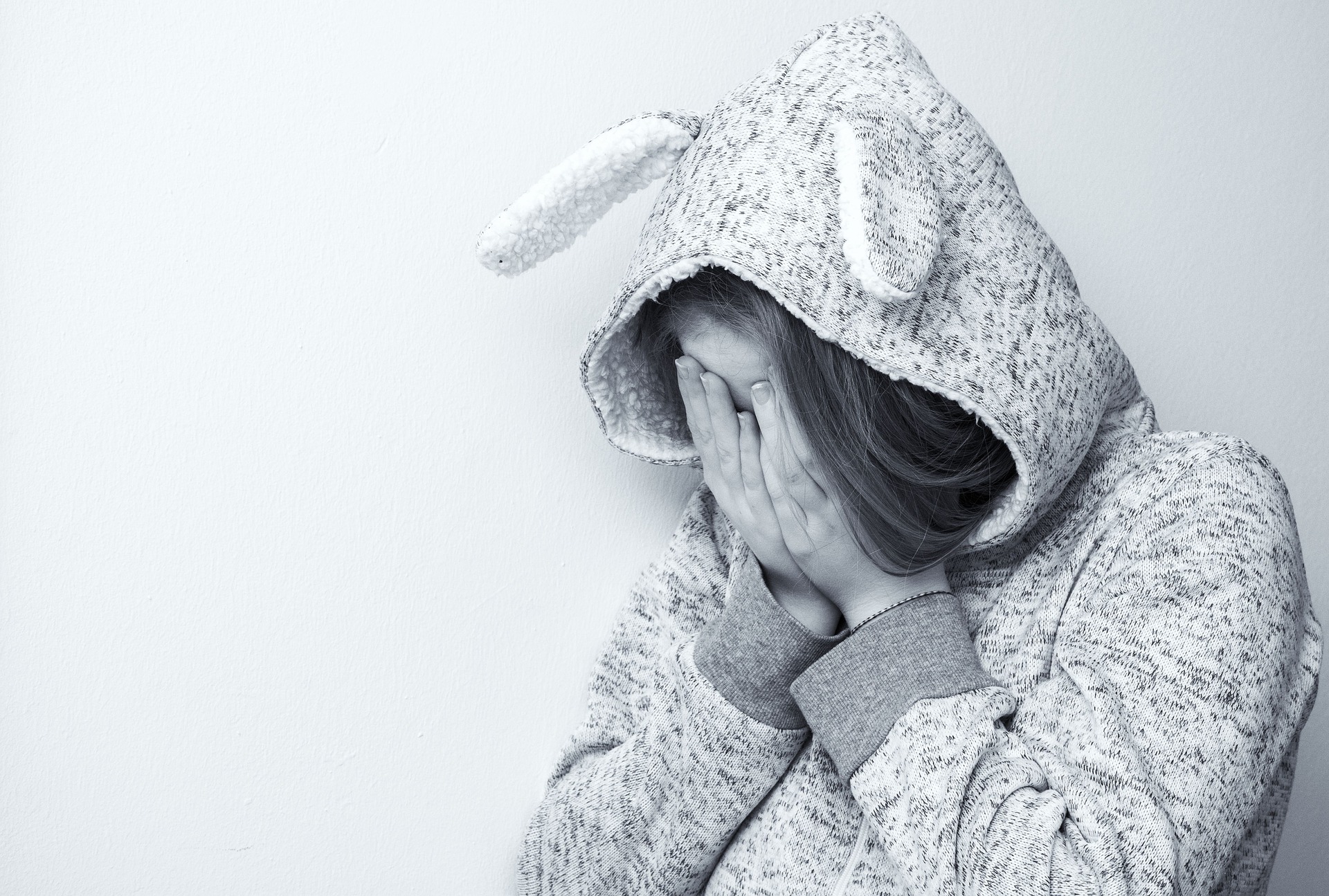
“You feel chained to the bed with worry and convince yourself that you are still sleeping just to try and avoid thinking or feeling entirely. When you finally force yourself out of bed you basically end up lying on the floor expecting someone to come pick you up. You cant even congratulate yourself on making it out of bed because it is something every ‘normal’ person should be able to do.
“Communication and socialising start to become difficult, you can’t explain to other what is happening to you when you yourself don’t fully grasp what’s happening and why you feel this way. Depression and anxiety are not just ‘grey skies’ as people imagine, there’s no sky at all. A concept that understandably people are still finding hard to grasp. As humorous as it sounds they make you feel bad for things you did in 2008 whilst you lie awake at 3am in the morning, for the couple you see arguing in the street, you may not know them but you somehow convince yourself that it’s partly your fault. I still manage to feel alone in a room full of people.
“It hits you like a tonne of bricks when you actually sit back and try to come to terms with the fact that you are ‘mentally ill’. That your own brain distorts everything you know, making you question yourself. As a person with a mental illness you have to deal with things which would be alien to many others. One such thing example is sitting in a room having to tell a different doctor the same story I’ve told the countless others, that I struggle. I am then ‘rejected’ and told that, especially as I am a young person that I’m being dramatic and that I am incapable of feeling such strong emotions having such little experience of life. The problem is though, I do feel these strong emotions.
“One such feeling is that of vulnerability. It scares me. So much so that even at the age of 16 I’m already worrying about the years ahead when I have a family of my own and a partner of my own. How am I going to be able to sustain healthy mental relationships as well as the physical ones with the people that I love?. It is a question I ask myself every day.
“You asked what ‘problems’ I face. I like to think there is a singular one with my illnesses and feelings rolled in together, the problem is life. Life becomes a problem, a problem that I feel I must continually try to solve in order to survive.”
When did these problems begin to arise?
“You can never pinpoint exactly when things started going bad or when negative emotions came to exist. There doesn’t always have to be a reason and I strongly believe this with every fibre of my being. There doesn’t always have to be a reason to be sad, and that’s ok. I found this hard to accept at first but soon came to find comfort in that statement. Doctors and professionals, as amazing as they are at their jobs, tend to enjoy playing the blame game, especially with individuals like myself.
“They try to pinpoint a time in your life when maybe things aren’t great. For example, I was overweight as a child and a newly diagnosed epileptic at 13. As hard as this information may be to digest for a young child, I handled this well and I’m still proud of who I am to this day. I don’t blame my mental illness on those life experiences like many have said for me to do so. As young as I may be I’m not in denial, not over dramatic – just accepting of my past and only trying to conquer my current issues.
“This is something other mentally ill young people will also have to deal with as they too have great upbringings and non problematic childhoods. They weren’t sexually abused, bullied or bruised and like myself unfortunately have just not been as lucky in the positive mental lottery. Some of us may not suffer physical or verbal abuse but we can still suffer from mental illness.”
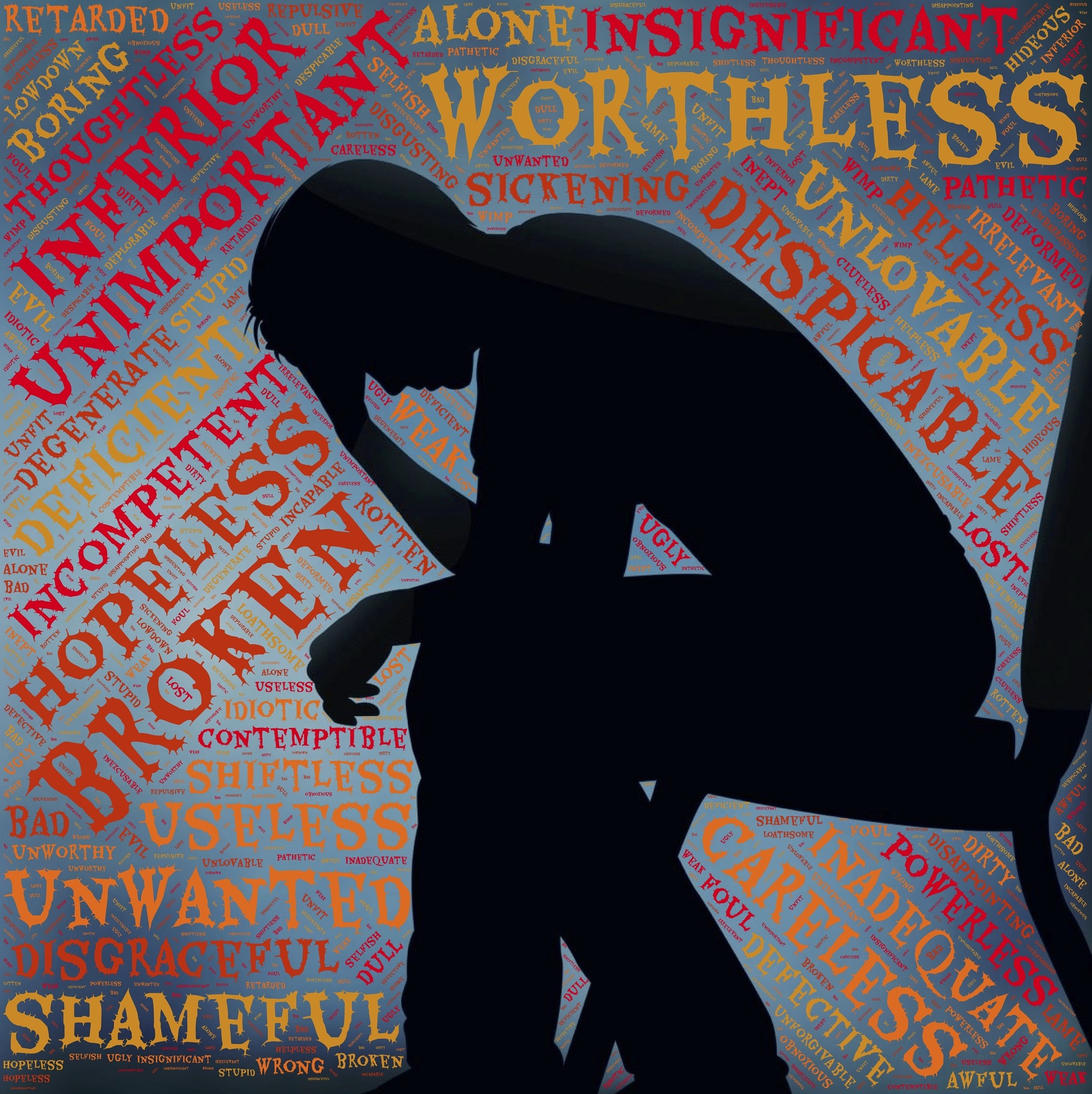
How did your mental illnesses affect your day to day life?
“Being mentally ill you don’t tend to notice the deterioration of the quality of your day to day life until it is blatantly pointed out to you. I began not to care, I was numb to everything around me and simply wanted to disappear. I gave up on hobbies and things I enjoy because I thought I wasn’t good enough to do them anymore and I lost the energy to even attempt them. Lying down on the floor, my bed, a sofa and just physically being as low to the floor was comforting as I felt it visually represented my mood inside. My eating habits changed, unlike some, food became my comfort. I could not eat to feel proud of the only sense of control I had or else I could eat a lot to fill the empty void of loneliness that I had inside on the days i felt down.
“I’d try to pick times when I knew my family were not in so I could eat alone. I went to bed late and got up late. My friends were the birds at 5am instead of girls in my year asking me to go to town at 3pm. Crying became my only hobby and shouting at confused family and friends was a past time I got way too caught up in. Not only my daily life was affected, but everyone around me. My dog got walked less and less, my mum got less hugs and girly catch ups, my nephew was learning new words, watching new shows and I didn’t even notice until he was able to pronounce my full name correctly – something he could never do when I had spent a lot of time with him. Daily routine goes out the window and trying to about my normal life alongside living becomes something I just have to do.”
What help did you receive or actively seek?
“Firstly I went to my GP, they were my help to start of with. Then I went through Lifeline counselling and when it didn’t really have any affect on me I went through the NHS and started going to Child and Adolescent Mental Health Services (CAMHS). They basically assess and treat young people with emotional, behavioural or mental health difficulties. Their support covers depression, problems with food, self-harm, abuse, violence or anger, bipolar, schizophrenia and anxiety, to name a few. CAHMS then formally diagnosed my depression and anxiety and worked with my GP to get me prescribed medication which due to my examinations they felt I needed. I now meet up with my GP for regular check ups to see how my medication is going. ”
What advice would you give to a young person in a similar position as yourself?
“My advice would be to not hold it in, even if that means you just sit and cry by yourself. Admitting things not only to other people but to yourself is probably one of the best ways I’ve learnt to cope with being mentally ill because it feels like less of a struggle when you know you’ve got your own back even when you feel like you’ve got nobody else.”
Jessica has very kindly shared her story to show that it is ok to suffer as a young person as long as you seek the help you need which is out there. Her story will really hit home with a lot of people but you should not take pity on her, but admire her. Jessica still manages to excel at her part time job and academically in school. Whilst she may have a small circle of friends she makes an effort to see them regularly. She enjoys going out and wants to continue to improve her life.
Find Help
If you are struggling please don’t hesitate to reach out and get the help you need, talk to someone. Whether it’s your parents, friends, GP, Childline, Samaritans, Lifeline or any other organisation, help is available, people are there for you.
Chidline: Tel: 08001111
Samaritans: Tel:(028) 90664422 (local call charges apply)
Tel:116 123 (this number is free to call)
Email:[email protected]
Lifeline: Tel:0808 808 8000
PIPS: Tel: 02890805850
Tel: 0800 088 6042
Email: [email protected]
*Jessica’s name has been changed to protect her identity. We are grateful that she chose to “Make A Statement” and tell her story to BAM