
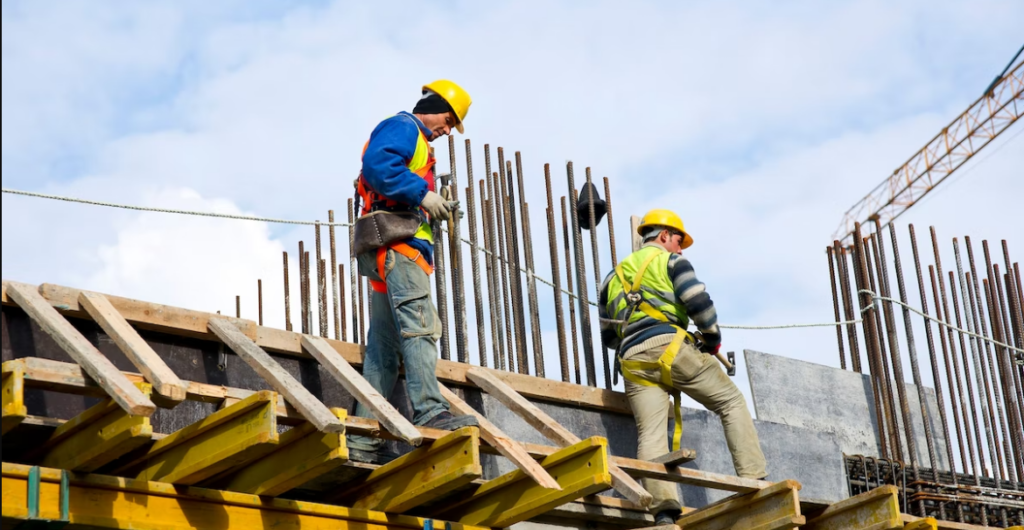
The construction industry employs millions of workers every year in the United States. To make it precise, 8 million people were employed in 2023, which was slightly high as compared to 2022.
This shows how fast-paced this sector is, which is heavily reliant on heavy machinery, dangerous tools, or countless hazards to be taken care of while at work.
The number of work-related accidents that occur on construction work sites is significantly higher than in any other industry, according to the Health and Safety Executive (HSE).
This content piece, therefore, looks at some ways these injuries can be reported and minimised to ensure a safe work environment on construction work sites.
Major Types of Hazards to Occur in Construction Sites
When talking about construction work sites, workers are exposed to a wide range of hazards that can increase their risk of injury or even death.
Some of the major risks to construction workers while undertaking their daily operations are working at heights, falls from heights, moving objects, malfunctioning machinery or equipment, noise hazards, electrocutions, slips, trips, and falls, hand-arm vibrations, hazardous dust, chemical spillage or exposure to chemical substances, and the list goes on.
Being an employer, it might be tempting to cut corners to save money or business cost, but when it comes to work-related injuries or ill health cases, health and safety are paramount in construction, as these workplace injuries or illnesses are the cause of 36.8 million working days lost every year.
5 Ways to Maintain a Safe Work Environment on Construction Sites
There are numerous ways to improve safety standards in any work environment and these tips will not cost you your whole life if implemented properly.
Below are some tips to implement:
- Create Awareness Among Staff & Workers
The first step in minimising the risk of accidents or injuries on a construction site is creating awareness of the hazards or dangers that might occur during work. No matter the type of job or level of experience a worker has, being a manager, it is your utmost duty to keep them aware of the risks in their surroundings and implement reasonable actions to mitigate them from work.
- Inspect the Tools & Equipment Regularly
The construction work relies on the use of tools, equipment, and machinery to make the work process efficient and easy. However, a minor defect in any tool or machinery can cause serious health risks even death in severe circumstances.
Therefore, employers and supervisors need to ensure that they regularly inspect and examine their equipment regularly for any fixes, glitches, or faults immediately.
- Use Clear Safety Signs & Symbols
Without any doubt, construction work areas are more prone to health hazards and risks than any other working environment. These may pose substantial threats to staff or workers while increasing the risk of accidents. Proper use of safety signs and symbols across all construction sites can limit the dangers.
- Maintain Good Working Habits
Employees working on construction sites must have a clear understanding of their responsibilities, be conscious of their actions, and attentively listen to the instructions to ensure safe work practices are followed at work and everyone is secure.
For this reason, they need to adopt good working habits. This could be possible by having good communication with the managers and supervisors, using the right PPE for work, and reporting any potential hazard to the upper management. These small actions can help prevent the problem before it results in big troubles.
- Training & Guidance
Although it is best practice to gain skills and expertise on-the-job, however, training is one thing that can be beneficial before a worker starts work. Employers need to ensure that they provide sufficient induction training to the new workers as well as arrange regular refresher training sessions for the experienced staff.
These training sessions must include a thorough overview of simple to advanced things like falls protection training, slips, trips, and falls training, working at height training, electrical safety training, IOSH managing safely, hazardous substances training, hazardous dust training, general safety training, and so on and so forth.
These online and on-site training sessions are effective to control and manage health hazards and safety risks at work.
Health and safety hazards are a part of every workplace of any type or size. The best way to identify, control, and manage these risks is by conducting on-site risk assessments. Employers must have a clear understanding of any workplace issues that their workers may face and provide them with simple and effective ways to mitigate them.
Alongside this, the duty falls on the staff members as well to communicate any of their concerns and follow the instructions from their employers to ensure their as well as everyone’s safety. In the end, maintaining health and safety is not one person’s job, it is a combined effort of everyone to get the job done easily and safely.