
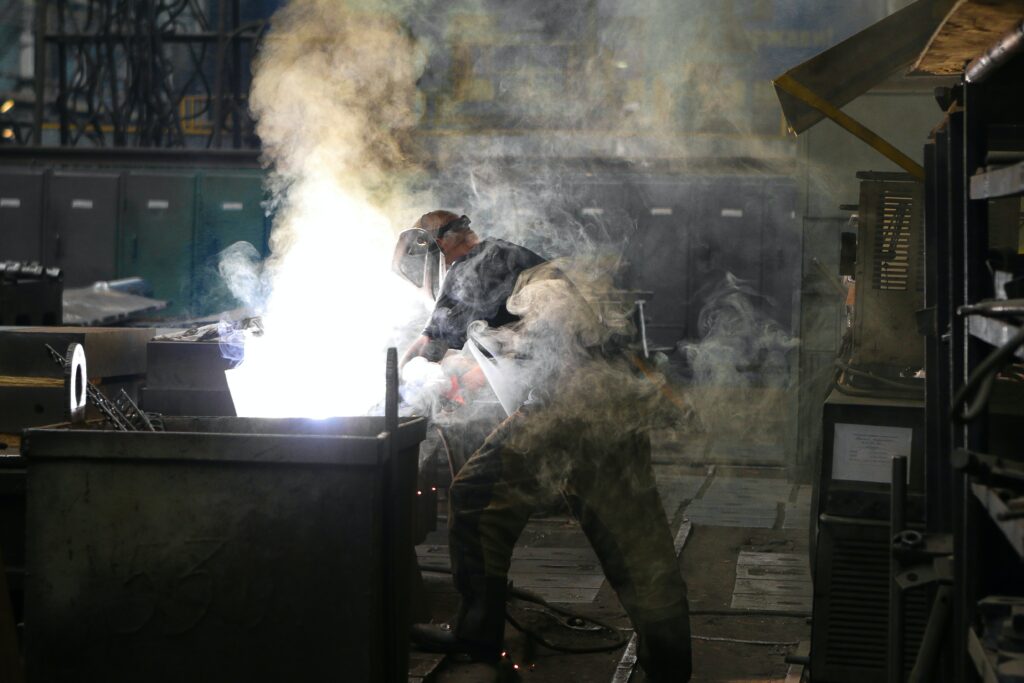
If you’re in the business of manufacturing, then you have to get used to dealing with needs that other businesses typically don’t have to think about. Here, we’re going to look at aspects of workplace safety that are a lot more prevalent, if not unique, to manufacturing spaces, and what you can do to better manage those risks.
Ensure access to quality PPE
The personal protective equipment that your employees wear is essential for helping them avoid undue health risks, whether it is from dust and debris, poor air quality conditions in certain specialised workspaces, or even collisions and impacts. To that end, you have to make sure that you check your PPE store on a regular basis, test the quality of your PPE, and train and enforce the correct use of said PPE.
Mind the floor conditions
Slips, trips, and falls are the most common type of accident in most workspaces, but in manufacturing spaces, not only are they more common, they are likely to be more dangerous. To that end, floor conditions must be monitored and managed constantly, with appropriate signage to denote wet spots, good lighting to ensure proper visibility of any walkways, and rules that enforce keeping those walkways clear at all times.
Machine security is vital
Most manufacturing spaces involve the use of machinery that, if used wrong or carelessly, could result in serious injury. Aside from the appropriate use of PPE, machine safety training is vital. This includes making sure that the appropriate safeguards are in place and in good condition, and investing in the appropriate maintenance of all machines to ensure that they’re not just operational, but less likely to experience errors that can cause serious injuries.
Be mindful of contaminants
Manufacturing spaces are more likely to include potentially harmful contaminants that can not only impact product quality and safety but can be harmful to your workers if not managed. You should ensure that anyone working with hazardous materials doesn’t track them into other areas, and use different cleaning equipment for different kinds of spills to avoid cross-contamination. Certain manufacturing processes, like blast processing, can release contaminants too and can require you to build spaces like a blast booth. Consider the potential contamination risks of every material and process used in the workplace and find the appropriate measure to prevent it.
Security and crime
A lot of manufacturing businesses have valuable assets and materials stored within them. Whether this is the parts and chemicals used in manufacturing processes, the manufacturing equipment itself, or something else, you have to invest in business security measures. This includes secured and reinforced spaces to store your most valuable assets, as well as CCTV and alarm systems to keep an eye on the spaces that might be targeted first. You may even want to consider human security if the risk is high enough.
Regardless of what you’re making, the risks that you have to deal with are not likely to be wholly unique to you. Find the partners and service providers who can help you deal with any risks that arise, and make safety a key part of your policy.