
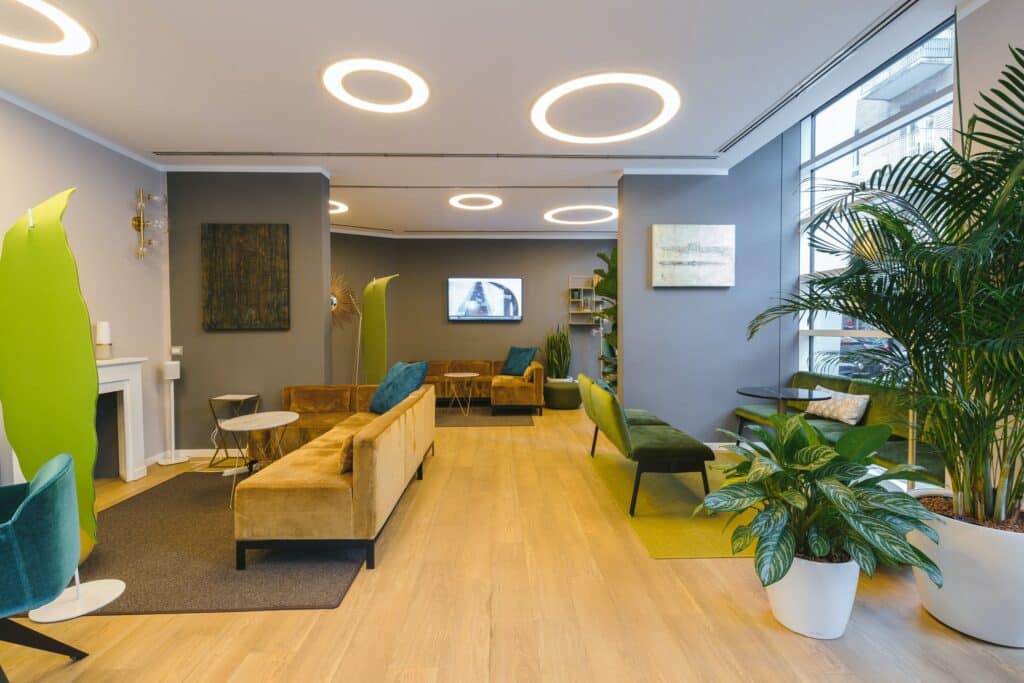
As the world adapts to a new normal, employees are gradually making their way back to the office after months of remote work. While the transition brings a sense of normalcy, it also poses challenges that require careful consideration. To ensure a successful return to the office, companies must focus on addressing employees’ expectations regarding the workplace environment.
Reducing chronic pain
One of the primary concerns for employees returning to the office is the need for ergonomic office furniture. The prolonged periods of remote work have highlighted the importance of comfortable and supportive seating arrangements. Individuals are increasingly aware of workplace-related chronic pain issues, such as back, neck, and wrist pain, which can significantly impact productivity and well-being. In fact, one in four Britons living in pain has tried multiple medications to no effect. So employees are very focused on protecting their health. Therefore, companies must invest in ergonomic chairs and desks that promote proper posture and reduce the risk of musculoskeletal discomfort.
Clean flooring
In addition to ergonomic furniture, employees are looking for clean and hygienic commercial flooring. The days of tea stains on the carpet and visible signs of wear and tear are no longer acceptable. The pandemic has heightened awareness of hygiene, prompting employees to prioritise a spotless and well-maintained work environment. So, it becomes important for companies to not only implement regular cleaning schedules but also invest in durable, quality flooring to create a visually appealing and sanitary workplace.
Away from the Magnolia shades
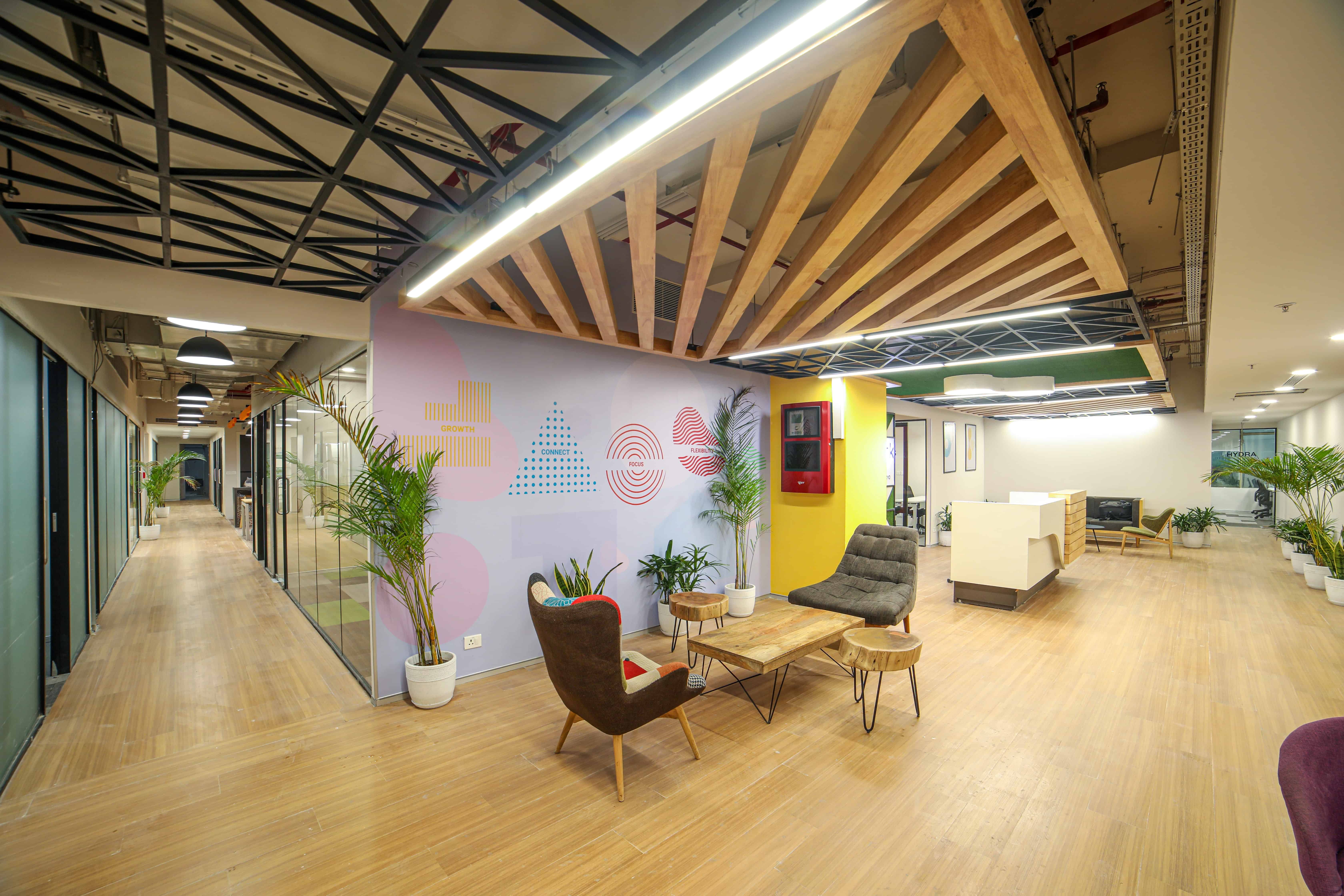
An engaging office decor is another key factor that employees expect upon their return to the office. Remote work has allowed individuals to personalise their home workspaces, and they now desire a similarly vibrant and aesthetically pleasing atmosphere in the office. Incorporating a variety of colours and exciting art pieces can contribute to a positive and stimulating work environment, boosting creativity and employee morale.
Real breakrooms
Furthermore, employees are seeking integrated break areas that go beyond a simple kettle in the corner. The importance of breaks in maintaining mental well-being cannot be overstated. Companies should design inviting break spaces with comfortable seating, natural light, and amenities like coffee machines and healthy snacks. This not only encourages employees to take breaks but also fosters social interaction, creating a more inclusive and connected workplace.
Keep it flexible
Despite these expectations, there are challenges associated with bringing employees back to the office post-pandemic. Many individuals have grown accustomed to the flexibility and convenience of remote work, and the fear of a resurgence in health concerns remains. Therefore, companies must implement measures such as hybrid work options, flexible schedules, and improved health and safety protocols to address these concerns and create a more adaptive work environment.
Moreover, the overall appearance and layout of offices need a facelift to meet modern expectations. Open, collaborative spaces are now essential, but companies must strike a balance between collaboration and providing private, focused work areas. A well-designed office layout can enhance productivity, creativity, and employee satisfaction, making the transition back to the office smoother and more appealing.
In conclusion, the return to the office post-pandemic requires careful consideration of employees’ expectations. Investing in ergonomic furniture, maintaining a clean and hygienic environment, incorporating engaging decor, and creating integrated break areas are crucial steps in meeting these expectations. By addressing these aspects, companies can not only attract employees back to the office but also create a workplace that fosters productivity, well-being, and collaboration.