
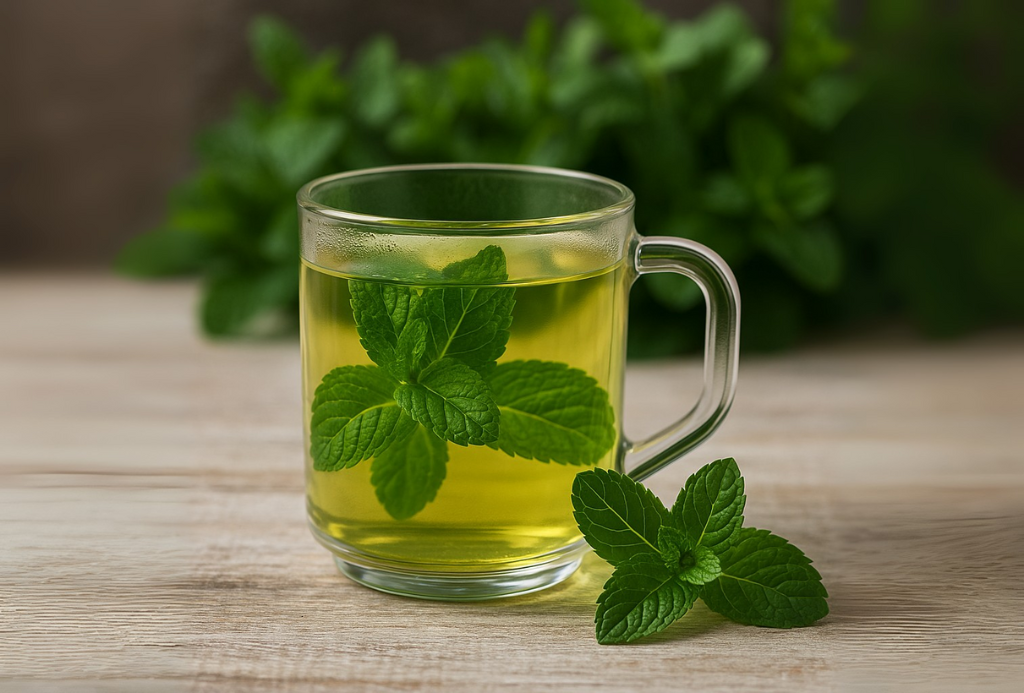
A new scientific review by the Tea Advisory Panel (TAP) has highlighted seven potential health benefits of drinking peppermint or spearmint tea, reinforcing its reputation as a health-supporting beverage rooted in centuries of traditional use.
The review, titled A Narrative Review on the Mechanistic Actions and Potential Health Benefits of Peppermint and Spearmint Teas, explores a range of effects associated with regular mint tea consumption, from improved brain and joint health to support for hormone balance and digestion.
Dr Tim Bond, study co-author and tea expert, said: “The list of health areas regular mint tea consumption could help support includes brain health, heart health and digestive health. It may also help to reduce arthritic pain and improve sleep, so it really has potential as a simple health-hack.”
Dr Emma Derbyshire, a fellow TAP expert and co-author, added: “The benefits of mint tea are thanks to its polyphenol, antimicrobial, anti-allergic, anti-inflammatory and blood pressure-lowering effects, making it an easily achievable action to put on our list of health-focused objectives for 2025.”
Dr Chris Etheridge, a medical herbalist and co-author of the study, said: “Consuming mint has long been linked to a wide range of health benefits, including heart health, healthy enzyme activity, brain health, and mood. Other studies point to benefits in female hormones.”
According to the review, drinking one to two cups of peppermint or spearmint tea per day may offer the following health benefits:
Brain Health: A UK study found that 200ml of peppermint tea significantly enhanced memory speed, long-term memory and alertness. Dr Tim Bond noted that the familiar, lively aroma of mint may also contribute to its uplifting effect.
Joint Health: A 16-week clinical study found that drinking two 300ml cups of spearmint tea daily led to a significant reduction in knee osteoarthritis pain. Researchers attributed this to spearmint’s anti-inflammatory properties, particularly its high content of rosmarinic acid.
Female Hormonal Health: A small trial involving women with polycystic ovary syndrome and excess facial hair found that drinking two 250ml cups of spearmint tea daily during the follicular phase of the menstrual cycle led to reduced testosterone levels and increased levels of oestrogen, luteinising hormone, and follicle-stimulating hormone. Dr Tim Bond said this suggested spearmint tea may help rebalance hormones, though longer-term studies are needed.
Respiratory Health: Researchers in Finland found that peppermint tea samples inhibited the growth of Chlamydia pneumoniae, a bacteria linked to respiratory infections, by up to 70%. Dr Tim Bond said this indicates potential respiratory health benefits, particularly during cold and flu season.
Digestive Health: Mint tea may help relieve symptoms of irritable bowel syndrome (IBS), such as bloating and constipation. Dr Emma Derbyshire cited research showing peppermint tea can relax gastrointestinal tissues, while Dr Tim Bond noted its traditional use in treating headaches, fevers and digestive discomfort.
Diabetes Support: Compounds in peppermint tea may help prevent the formation of advanced glycation end products (AGEs), which are associated with the development of prediabetes and type 2 diabetes. Dr Emma Derbyshire said peppermint polyphenols could offer protection against these compounds.
Detoxification and Cancer Prevention: A study in Greece found that drinking two 200ml cups of peppermint tea daily could reduce the activity of N-acetyltransferase 2 (NAT2), an enzyme that helps the body eliminate cancer-causing agents. Dr Tim Bond said this suggests peppermint tea may play a small role in cancer prevention.
Dr Emma Derbyshire concluded: “Our new narrative review shows that drinking up to two cups of mint tea daily could benefit everything from our metabolic health, to our brain health, to our digestive health, to women’s hormonal health, to our joint health. So, there’s good evidence that popping the kettle on for a simple and refreshing cup of mint tea can help keep your health in mint condition.”
Share this:
- Share on X (Opens in new window) X
- Share on Facebook (Opens in new window) Facebook
- Share on Pinterest (Opens in new window) Pinterest
- Share on Tumblr (Opens in new window) Tumblr
- Share on LinkedIn (Opens in new window) LinkedIn
- Share on Reddit (Opens in new window) Reddit
- Print (Opens in new window) Print
- Email a link to a friend (Opens in new window) Email